IQ 154 — How Rare It Is, What It Means & Famous People With This Score
An IQ of 154 is higher than 99.984% of people. About 1 in 6,290 people score 154 or above — about 1.3 million people alive today. It sits 3.60 standard deviations above the average and is classed as highly gifted.
| Percentile | 99.984th |
|---|---|
| How rare | 1 in 6,290 |
| People alive with this score or higher | about 1.3 million of 8.2 billion |
| Standard deviations above the average of 100 | +3.60 |
| Classification | highly gifted |
| Mensa (top 2%, 130 and above) | qualifies |
Is 154 a good IQ?
Yes. An IQ of 154 is higher than 99.984% of people. It clears the Mensa line: Mensa admits the top 2%, which is 130 or above on tests with a standard deviation of 15.
How many people have an IQ of 154 or higher?
About 1.3 million of the world’s 8.2 billion people, on the normal curve (average 100, standard deviation 15) used by modern tests.
Take the free IQ test → instant score, no sign-up
Twenty questions, eight minutes on the clock, and a percentile measured against everyone who has taken it. No sign-up.
Take the IQ test →What Does an IQ of 154 Mean?
An IQ of 154 crosses the traditional "genius" threshold. Classified as "Highly Gifted," this score is achieved by approximately 1 in 6,290 of the population. Individuals at this level typically excel in complex analytical thinking and creative endeavors.
At 154, cognitive ability is well above the 99th percentile. People at this level often gravitate toward fields requiring deep abstract thought — theoretical physics, pure mathematics, philosophy, or groundbreaking creative work.
Where IQ 154 Falls on the Bell Curve
The highlighted area shows the percentage of the population scoring at or above IQ 154. The dashed line marks the exact position of this score on the normal distribution.
Famous People With an IQ of 154
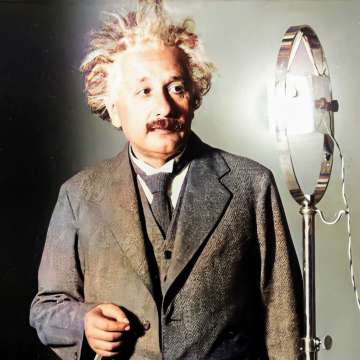
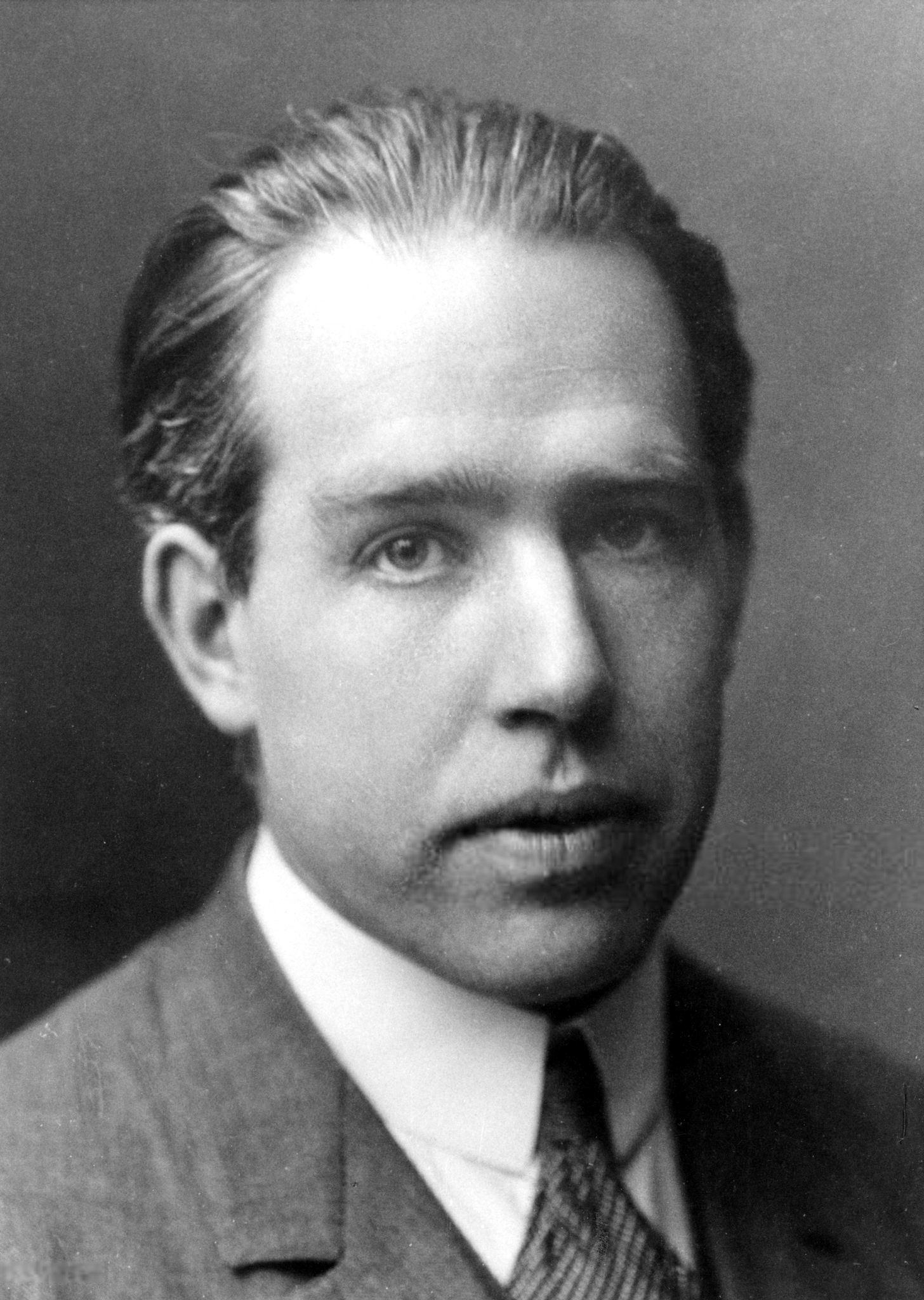
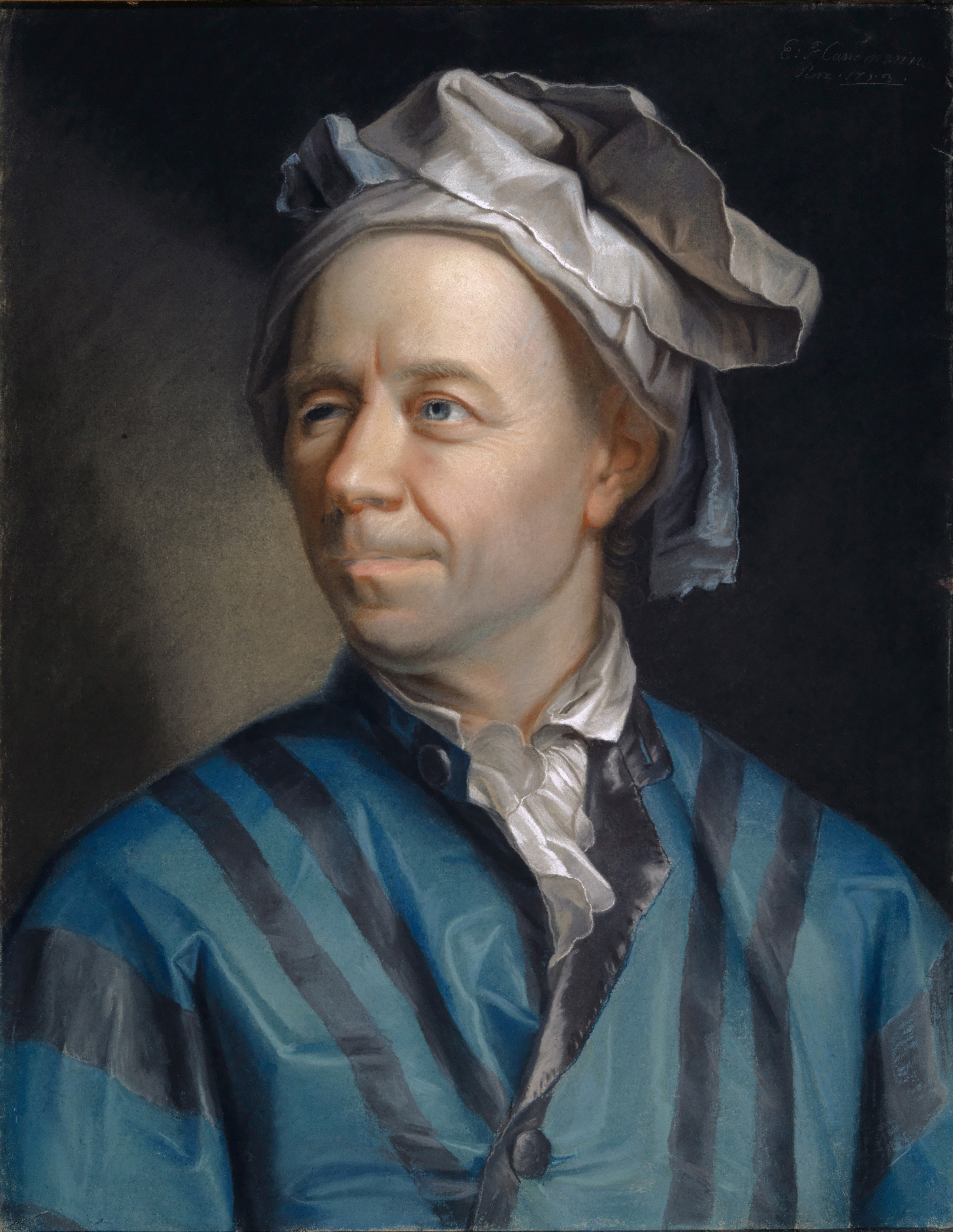
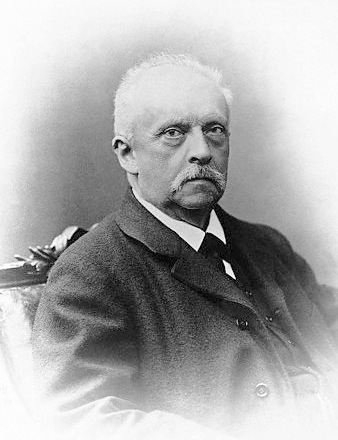
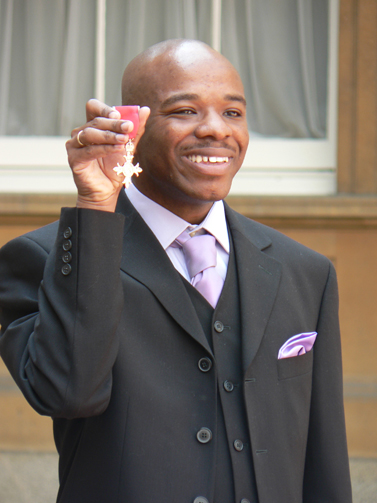
There is 1 genius in our database with an estimated IQ of 154:
Explore Other IQ Scores
About IQ Scores: IQ (Intelligence Quotient) scores follow a normal distribution with a mean of 100 and a standard deviation of 15. Historical IQ estimates for famous individuals are approximations based on their demonstrated achievements, not direct test results. These estimates should be considered illustrative rather than definitive.
Sources and method
Scores on this page use the deviation-IQ scale of the modern Wechsler and Stanford–Binet tests: mean 100, standard deviation 15. Percentiles and rarity figures are computed from the normal distribution. Published tests report full-scale scores only up to about 160 (the WAIS-IV range is 40 to 160), so rarity figures above that level are statistical, not measured.
- Pearson Assessments: Wechsler Adult Intelligence Scale, Fourth Edition (WAIS-IV) — the deviation-IQ scale (mean 100, standard deviation 15) and the full-scale range of 40 to 160.
- Stanford–Binet Intelligence Scales (overview) — the same mean-100, standard-deviation-15 scale on the Stanford–Binet.
- IQ classification (overview) — how test publishers label score bands.
- American Mensa: How to Join Mensa — admission at the top 2% (98th percentile) on an approved test.
- American Psychological Association: Intelligence — what intelligence tests measure.
- Normal distribution (overview) — the percentile and rarity arithmetic.
Method and sources updated 24 October 2026 · Geniuses.Club editorial team
What readers ask most
- Who is the smartest person in the world right now?
- What is the highest IQ ever recorded?
- What IQ is considered genius?
- What was Nikola Tesla’s IQ?
- What was Stephen Hawking’s IQ?
- What was Isaac Newton’s IQ?
- Is an IQ of 200 possible?
- What is Bill Gates’s IQ?
- What happened to violin prodigy Akim Camara?
- Where is Marnen Laibow-Koser now?
- Take a free IQ test with instant results