Wilhelm Ostwald: Biography, Achievements & Lasting Legacy

Who Was Wilhelm Ostwald?
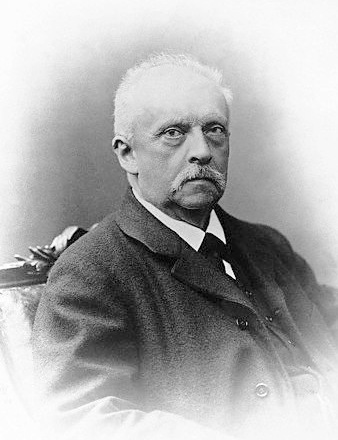
Wilhelm Friedrich Ostwald (German: [ˈvɪlhɛlm ˈɔstvalt] ; 2 September [O.S. 21 August] 1853 – 4 April 1932) was a Baltic German chemist and philosopher. Ostwald is credited with being one of the founders of the field of physical chemistry, with Jacobus Henricus van 't Hoff, Walther Nernst and Svante Arrhenius.
He received the Nobel Prize in Chemistry in 1909 for his scientific contributions to the fields of catalysis, chemical equilibria and reaction velocities.
Life and Career
Following his 1906 retirement from academic life, Ostwald became much involved in philosophy, art, and politics. He made significant contributions to each of these fields. He has been described as a polymath.
Key Facts
- Born: September 2, 1853 in Riga, Governorate of Livonia, Russian Empire
- Died: 1932
- Field: Science
- Awards: Faraday Lectureship Prize (1904) and Nobel Prize for Chemistry (1909)
Legacy and Impact
The influence of Wilhelm Ostwald extends far beyond their own lifetime. They fundamentally shaped our understanding of the natural world, and their discoveries and theories remain foundational to this day.
Though they passed away in 1932, their ideas continue to be studied, debated, and built upon by scholars and practitioners worldwide.
Twenty questions, eight minutes on the clock, and a percentile measured against everyone who has taken it. No sign-up.
Take the IQ test →Wilhelm Ostwald remains one of the most celebrated minds to emerge from Russia, a testament to the rich intellectual heritage of the region.
Notable Geniuses from Russia
Russia has produced many remarkable minds. Alongside Wilhelm Ostwald:
View all geniuses from Russia →
Discover more brilliant minds in Science
Explore Science GeniusesRelated Articles
Explore More
Read the full profile of Wilhelm Ostwald
View Wilhelm Ostwald's Profile →