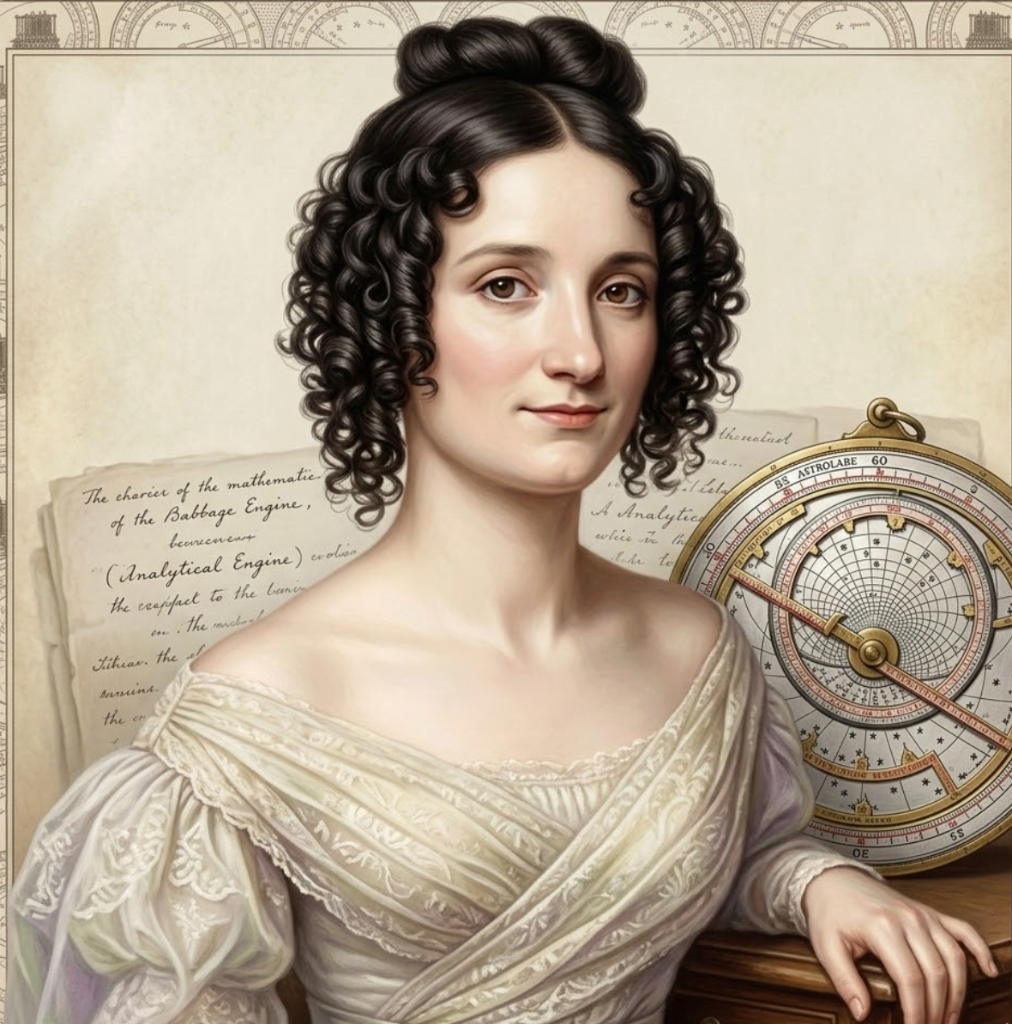
Harriet Martineau: Biography, Achievements & Lasting Legacy

Who Was Harriet Martineau?
Harriet Martineau (12 June 1802 – 27 June 1876) was an English social theorist. She wrote from a sociological, holistic, religious and feminine angle, translated works by Auguste Comte, and, rare for a woman writer at the time, earned enough to support herself.
Martineau advised a focus on all aspects of society, including the role of the home in domestic life as well as key political, religious, and social institutions. The young Princess Victoria enjoyed her work and invited her to her coronation in 1838. The novelist Margaret Oliphant called her "a born lecturer and politician... less distinctively affected by her sex than perhaps any other, male or female, of her generation."
Life and Career
Her commitment to abolitionism has seen Martineau's achievements studied world-wide, particularly at American institutions of higher education. When unveiling a statue of Martineau in December 1883 at the Old South Meeting House in Boston, Wendell Phillips referred to her as the "greatest American abolitionist".
Key Facts
- Born: June 12, 1802 in Norwich, Norfolk, England
- Died: 1876
- Field: Art
Legacy and Impact
The influence of Harriet Martineau extends far beyond her own lifetime. She fundamentally shaped visual arts and creative expression, and her works and artistic innovations remain foundational to this day.
Though she passed away in 1876, her ideas continue to be studied, debated, and built upon by scholars and practitioners worldwide.
Twenty questions, eight minutes on the clock, and a percentile measured against everyone who has taken it. No sign-up.
Take the IQ test →Harriet Martineau remains one of the most celebrated minds to emerge from England, a testament to the rich intellectual heritage of the region.
Notable Geniuses from England
England has produced many remarkable minds. Alongside Harriet Martineau:
View all geniuses from England →
Discover more brilliant minds in Art
Explore Art GeniusesRelated Articles
Explore More
Read the full profile of Harriet Martineau
View Harriet Martineau's Profile →