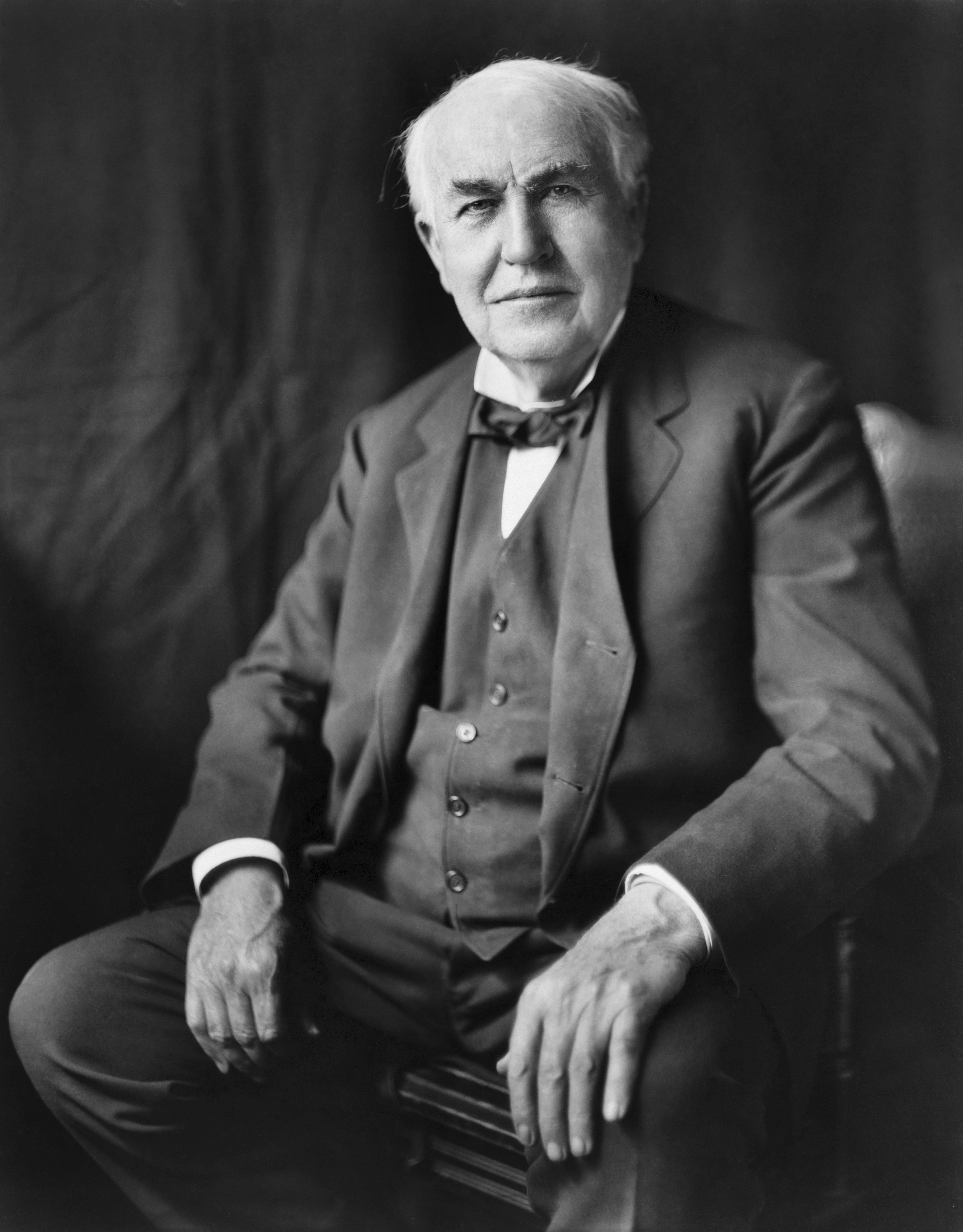
Albert Einstein: 10 Hours Plus Naps
Einstein reportedly slept 10 hours per night and took additional afternoon naps. He claimed his best ideas came in dreams and in the hypnagogic state between sleep and waking. He kept a notepad by his bed to capture insights at the moment of waking.
Leonardo da Vinci: Polyphasic Sleep
According to historical accounts, Da Vinci slept only 1.5 to 2 hours per day through a polyphasic schedule — 20-minute naps every four hours. Whether fully accurate or exaggerated, the schedule reflects his obsessive working hours and the enormous output he achieved across art, engineering, anatomy, and science.
Nikola Tesla: Minimal Sleep
Tesla claimed to sleep only 2 hours per night, though he conceded he occasionally napped. He described his best ideas arriving during mental states close to sleep, and he reportedly hallucinated vivid mental images of his inventions fully formed before building them.
Twenty questions, eight minutes on the clock, and a percentile measured against everyone who has taken it. No sign-up.
Take the IQ test →Charles Darwin: The Careful Sleeper
Darwin maintained a disciplined schedule: he walked, worked, and rested at fixed times. He took a midday rest period and was in bed by 10:30 pm. His health was poor throughout his life, and he was acutely aware that mental exhaustion preceded his worst episodes of illness.
What Science Says
Modern sleep research makes clear that 7–9 hours of consolidated sleep is optimal for most adults. Memory consolidation, creative insight, and emotional regulation all depend on adequate sleep — particularly REM sleep. The extreme sleep deprivation some geniuses described may have coexisted with their genius rather than caused it.
Frequently Asked Questions
How many hours did Einstein sleep per night?
Einstein reportedly slept around 10 hours per night and took additional afternoon naps, crediting rest as essential to his creative thinking.
Did Leonardo da Vinci really sleep only 2 hours a day?
Historical sources suggest Da Vinci followed a polyphasic sleep schedule of roughly 20-minute naps every four hours, totaling about 1.5-2 hours daily. Whether fully accurate is uncertain, but it reflects his legendary work output.
Do geniuses need less sleep?
There is no scientific evidence that high intelligence correlates with reduced sleep needs. Most researchers believe adequate sleep (7-9 hours for adults) is essential for peak cognitive performance, creativity, and memory consolidation.