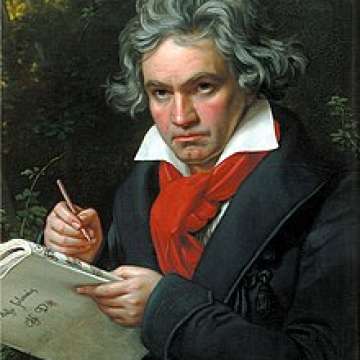
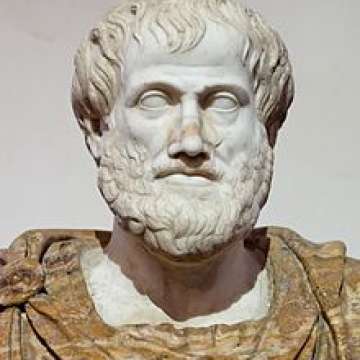
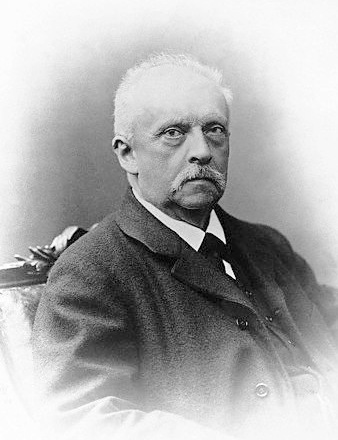
For centuries, genius and madness were thought to be closely linked — the 'divine madness' of poets and artists, the troubled genius of composers and mathematicians. Modern psychology and neuroscience have begun to examine this relationship more rigorously.
Creativity research identifies two key cognitive modes that interact in creative genius: convergent thinking (narrowing down possibilities to find the single best answer) and divergent thinking (generating many possible solutions, metaphors, and associations). Creative geniuses often excel at both and can fluidly switch between them.
Studies of highly creative individuals show a consistent pattern: a rich inner life, sensitivity to stimuli, openness to experience, tolerance for ambiguity, and what psychologist Mihaly Csikszentmihalyi called 'flow' — the deeply satisfying state of complete absorption in a challenging task.
Twenty questions, eight minutes on the clock, and a percentile measured against everyone who has taken it. No sign-up.
Take the IQ test →The neuroscience of creative genius points to strong connectivity between the default mode network (active in mind-wandering and imagination), the executive control network (which focuses attention), and the salience network (which switches between them). Creative breakthroughs often happen when these systems work together unusually well.
Deliberate practice remains essential. Csikszentmihalyi's research on exceptional contributors in various fields found that all had invested at least 10 years of serious work in their domain before making major contributions. Creativity combined with extraordinary knowledge and deep practice produces genius-level work.
Frequently Asked Questions
Is there a link between genius and mental illness?
Research shows elevated rates of certain mood disorders among highly creative individuals, but the majority of geniuses were not mentally ill. The 'mad genius' trope is an oversimplification — many characteristics associated with creativity (sensitivity, openness, intensity) can be challenging without rising to the level of illness.
Can creativity be learned?
Research strongly suggests yes. Techniques like lateral thinking, deliberate practice, exposure to diverse domains, and creating conditions for flow can significantly enhance creative output. However, the highest levels of creative genius likely require both learned skills and unusually strong natural cognitive endowment.