Eckhart von Hochheim, जिन्हें आमतौर पर Meister Eckhart के रूप में जाना जाता है, एक German धर्मशास्त्री, दार्शनिक और रहस्यवादी थे, जिनका जन्म Gotha के पास Thuringia के Landgraviate में, अब पवित्र रोमन साम्राज्य के मध्य Germany में हुआ था।
Eckhart ने Avignon Papacy के दौरान प्रमुखता प्राप्त की जब संन्यास आदेशों, diocesan पादरियों, Franciscan Order, और Eckhart के Dominican Order of Preachers के बीच बढ़े हुए तनाव का समय था। बाद के जीवन में, उन पर विधर्मता का आरोप लगाया गया और स्थानीय Franciscan-नेतृत्व वाली Inquisition के समक्ष लाया गया, और Pope John XXII द्वारा एक विधर्मी के रूप में परीक्षण किया गया। ऐसा लगता है कि उनका निर्णय प्राप्त होने से पहले ही उनकी मृत्यु हो गई।
वह Friends of God जैसे धर्मपरायण lay समूहों के साथ अपने काम के लिए अच्छी तरह से ज्ञात थे और उनके अधिक विवेकी शिष्यों John Tauler और Henry Suso द्वारा उनका स्थान लिया गया। 19वीं सदी के बाद से, उन्हें पुनः ध्यान मिला है। वह समकालीन लोकप्रिय आध्यात्मिकता के भीतर एक महान रहस्यवादी के रूप में एक स्थिति प्राप्त करते हैं, साथ ही विद्वानों से भी काफी रुचि है जो उन्हें मध्यकालीन scholastic और दार्शनिक परंपरा के भीतर स्थापित करते हैं।
जीवनी
Eckhart का जन्म संभवतः Tambach के गांव में, Gotha के पास, Thuringia के Landgraviate में हुआ था, शायद 1250 और 1260 के बीच। यह पहले माना जाता था कि वह भूमि मालिकों के एक noble परिवार में पैदा हुए थे, लेकिन यह उस अवधि के archives के एक गलत interpretation से निकला है। वास्तव में, उनके परिवार और प्रारंभिक जीवन के बारे में बहुत कम जानकारी है। उन्हें Johannes की Christian name देने का कोई authority नहीं है, जो कभी-कभी biographical sketches में दिखाई देता है: उनका Christian name Eckhart था; उनका surname von Hochheim था।
चर्च कैरियर
Eckhart ने Erfurt में Dominicans में शामिल हुए, शायद जब वह लगभग अठारह साल के थे, और यह माना जाता है कि उन्होंने Cologne में अध्ययन किया। उन्होंने University of Paris में भी अध्ययन किया हो सकता है, Cologne में अपने समय से पहले या बाद में।
हमारे पास उनके जीवन के लिए पहला ठोस सबूत तब है जब 18 April 1294 को, Peter Lombard के Sentences पर एक baccalaureus lecturer के रूप में, एक पद जिसके लिए उन्हें संभवतः 1293 में नियुक्त किया गया था, उन्होंने Sermo Paschalis Easter Sermon का प्रचार Paris में St. Jacques के Dominican convent में किया। late 1294 में, Eckhart को Erfurt में Prior और Thuringia का Provincial नियुक्त किया गया। उनका पहला vernacular कार्य, Reden der Unterweisung The Talks of Instructions/Counsels on Discernment, Dominican novices को दिए गए talks की एक series, इसी समय से है c. 1295–1298। 1302 में, उन्हें Paris भेजा गया ताकि वह theology के external Dominican chair को संभालें। वह 1303 तक वहां रहे। short Parisian Questions इसी समय के हैं।

late 1303 में Eckhart Erfurt लौट आए, और Saxony के लिए Provincial नियुक्त हुए, एक province जो उस समय Netherlands से Livonia तक पहुंचता था। इसलिए उनकी इस region में सैंतालीस convents के लिए जिम्मेदारी थी। 1306 में Paris में आयोजित general chapter में उनके और Teutonia के provincial के खिलाफ शिकायतें, ternaries के बीच अनियमितताओं के बारे में, trivial रही होंगी, क्योंकि general, Aymeric of Piacenza, ने अगले वर्ष उन्हें Bohemia के लिए अपने vicar-general के रूप में नियुक्त किया, पूर्ण शक्ति के साथ वहां के demoralized monasteries को व्यवस्थित करने के लिए। Eckhart 1311 तक Saxony के लिए Provincial रहे, इस दौरान उन्होंने वहां महिलाओं के लिए तीन convents की स्थापना की।
14 May 1311 को Eckhart को Naples में आयोजित general chapter द्वारा Paris में teacher के रूप में नियुक्त किया गया। Paris के लिए दूसरी बार magister के रूप में आमंत्रित होना एक दुर्लभ विशेषाधिकार था, जो पहले केवल Thomas Aquinas को दिया गया था। Eckhart Paris में दो academic years तक रहे, summer 1313 तक, William of Paris के समान घर में रहते हुए।
फिर एक लंबी अवधि आती है जिसमें यह केवल ज्ञात है कि उन्होंने समय का एक हिस्सा Strasbourg में बिताया। यह अस्पष्ट है कि वह वहां कौन सी विशिष्ट position में थे: ऐसा लगता है कि वह मुख्य रूप से spiritual direction और Dominicans के convents में preaching के साथ concerned थे।
बीस प्रश्न, घड़ी पर आठ मिनट, और अब तक टेस्ट देने वालों के सामने मापा गया पर्सेंटाइल। साइन-अप नहीं।
IQ टेस्ट दें →साल 1320 के एक chronicle में एक passage, manuscript में extant cf. Wilhelm Preger, i. 352–399, Frankfurt में एक prior Eckhart के बारे में बताती है जो heresy के संदेह में था, और कुछ लोगों ने इसे Meister Eckhart को संदर्भित किया है। यह असामान्य होगा कि heresy के संदेह में एक आदमी को order के सबसे प्रसिद्ध schools में से एक में teacher के रूप में नियुक्त किया जाए, लेकिन Eckhart की distinctive expository style पहले से ही उनके Franciscan detractors द्वारा scrutiny के तहत हो सकती थी।
विधर्मता का आरोप
late 1323 या early 1324 में, Eckhart Strasbourg को छोड़कर Cologne के Dominican house गए। यह स्पष्ट नहीं है कि वह यहां बिल्कुल क्या करते थे, हालांकि उनका कुछ समय city में prestigious Studium में teaching में खर्च हो सकता था। Eckhart ने preaching भी जारी रखी, अपने sermons को एक ऐसे समय में address किया जब clergy और monastic orders के बीच disarray, कई pious lay groups की rapid growth, और पूरे Europe में heretical movements पर Inquisition की continuing concerns थीं।
ऐसा लगता है कि कुछ Dominican authorities को पहले से ही Eckhart की teaching के बारे में concerns थे। spring 1325 में Venice में आयोजित Dominican General Chapter ने "Teutonia के friars" के खिलाफ बोला था "जो अपने sermons में ऐसी चीजें कहते हैं जो आसानी से simple और uneducated लोगों को error में ले जा सकती हैं"। यह concern या Cologne के archbishop Henry of Virneburg द्वारा रखी गई concerns शायद इसलिए थी कि Nicholas of Strasbourg, जिसे pope ने 1325 में Germany में Dominican friaries के अस्थायी प्रभारी दिए थे, ने Eckhart के orthodoxy की जांच की। Nicholas ने Book of Consolation से suspect passages की एक list प्रस्तुत की, जिसके साथ Eckhart ने August 1325 और January 1326 के बीच कभी एक lost treatise Requisitus के साथ responded, जिसने उनके अपने immediate superiors को उनके orthodoxy से संतुष्ट किया। इस आश्वास के बावजूद, archbishop ने 1326 में एक inquisitorial process का आदेश दिया। इस बिंदु पर उन्होंने एक Vindicatory Document जारी किया, जो उन्हें सिखाई गई बातों के chapter और verse प्रदान करता था।
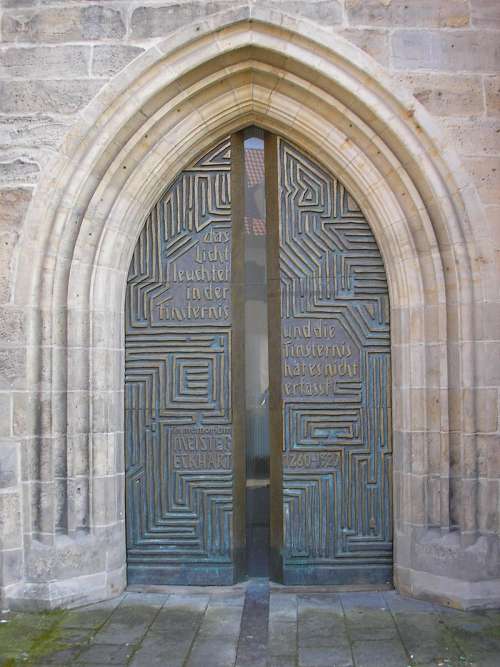
late 1326 के कठिन महीनों के दौरान, Eckhart को स्थानीय Dominican authorities का पूर्ण समर्थन था, जो January 1327 में Nicholas of Strasbourg के inquisitors के कार्यों के खिलाफ तीन official protests में स्पष्ट है। 13 February 1327 को, archbishop के inquisitors ने Eckhart पर अपने sentence का उच्चारण करने से पहले, Eckhart ने Cologne के Dominican church में एक sermon का प्रचार किया, और फिर अपने secretary को उनकी innocence का एक public protestation read कराया। उन्होंने अपनी protest में कहा कि वह हमेशा सब कुछ गलत से नफरत करते थे, और यदि उनकी writings में ऐसी कोई चीज मिले, तो वह अब इसे retract करते हैं। Eckhart ने स्वयं text को German में translate किया, ताकि उनके audience, vernacular public, इसे समझ सके। verdict तब Eckhart के खिलाफ गया हुआ प्रतीत होता है। Eckhart ने inquisitors और archbishop की competence और authority को deny किया, और Pope के खिलाफ verdict के विरुद्ध appeal किया। फिर, spring 1327 में, वह Avignon के लिए निकल गए।
Avignon में, Pope John XXII ने केस की जांच के लिए दो tribunals स्थापित किए प्रतीत होते हैं, एक theologians का और दूसरा cardinals का। इस process के सबूत पतले हैं। हालांकि, यह ज्ञात है कि commissions ने 150 suspect articles को 28 तक reduce किया; document known as the Votum Avenionense देता है, scholastic तरीके में, अट्ठाईस articles, Eckhart की प्रत्येक के बारे में defense, और commissioners के rebuttal। 30 April 1328 को, pope ने Archbishop Henry of Virneburg को लिखा कि Eckhart के खिलाफ case आगे बढ़ रहा था, लेकिन added किया कि Eckhart की पहले से ही मृत्यु हो गई थी modern scholarship suggests वह 28 January 1328 को मर गए होंगे। papal commission ने eventually confirmed, albeit modified form में, Eckhart के खिलाफ Cologne commission के decision को।
Pope John XXII ने एक bull In agro dominico, 27 March 1329 जारी किया, जिसमें Eckhart के एक series of statements को heretical के रूप में characterize किया जाता है, दूसरे को heresy के suspected के रूप में। close में, यह कहा गया है कि Eckhart ने अपनी मृत्यु से पहले सब कुछ को recant किया जो उन्होंने गलत से सिखाया था, अपने आप को और अपनी writing को Apostolic See के decision में submit करके। यह संभव है कि Pope का unusual decision bull को issue करने का, Eckhart की मृत्यु के बावजूद और तथ्य कि Eckhart को personally एक heretic के रूप में condemn नहीं किया जा रहा था, pope के mystical heresy की बढ़ती समस्या के भय के कारण था, और उनके ally Henry II से case को एक definite conclusion तक लाने के लिए pressure।
पुनर्वास
समकालीन Catholic Church में Eckhart की status uncertain रही है। Dominican Order ने 20वीं सदी के last decade में उनके पूर्ण rehabilitation और उनकी theological orthodoxy की confirmation के लिए push किया। Pope John Paul II ने इस initiative पर अनुकूल opinion दिया, यहां तक कि Eckhart की writings से quote करने तक जा रहे, लेकिन outcome Vatican के corridors तक सीमित रहा। spring 2010 में, यह reveal किया गया कि 1992 में dated एक letter में Vatican से एक response हुआ था। Timothy Radcliffe, तब Master of the Dominicans और letter के recipient, ने contents को इस प्रकार summarize किया:
हमने Eckhart पर censure को lift करवाने की कोशिश की ... और हमें बताया गया कि इसकी वास्तव में कोई आवश्यकता नहीं है क्योंकि उन्हें name से कभी condemn नहीं किया गया, बस कुछ propositions जो वह माना जाता है कि रखते हैं, और इसलिए हम perfectly free हैं यह कहने के लिए कि वह एक अच्छे और orthodox theologian हैं।
Professor Winfried Trusen of Würzburg, Radcliffe के एक correspondent, ने Cardinal Ratzinger later Pope Benedict XVI को Eckhart की defense में लिखा, कहते हुए:
केवल 28 propositions को censure किया गया, लेकिन उन्हें उनके context से निकाल दिया गया और verify करना असंभव है, क्योंकि Avignon में कोई manuscripts नहीं थे।
प्रभाव
Eckhart को medieval scholasticism में शिक्षा दी गई थी और वह Aristotelianism, Augustinianism, और Neo-Platonism से अच्छी तरह से परिचित थे।
शिक्षाएं
Sermons
हालांकि वह एक accomplished academic theologian थे, Eckhart के best-remembered works उनके अत्यंत असामान्य vernacular में sermons हैं। Eckhart एक preaching friar के रूप में अपने flock को guide करने का प्रयास करते थे, साथ ही monks और nuns को उनकी jurisdiction के तहत, practical sermons के साथ spiritual/psychological transformation और New Testament metaphorical content पर जो disinterest dispassion या detachment में निहित creative power से संबंधित थे।
Eckhart के German sermons का central theme व्यक्तिगत soul में God की presence है, और just man के soul की dignity है। हालांकि उन्होंने इस theme पर विस्तार किया, वह rarely इससे departing थे। एक sermon में, Eckhart अपने message का निम्नलिखित summary देते हैं:
जब मैं preach करता हूं, मैं आमतौर पर detachment के बारे में बोलता हूं और कहता हूं कि एक man को self और सभी चीजों से empty होना चाहिए; और दूसरा, कि वह को simple good में reconstructed होना चाहिए जो God है; और तीसरा, कि उसे great aristocracy को consider करना चाहिए जो God ने soul में set up की है, इस तरह कि उसके means से man God तक wonderfully attain कर सकता है; और चौथा, divine nature की purity के बारे में।
जैसा कि Eckhart ने अपनी trial defence में कहा, उनके sermons का अभिप्राय listeners में सबसे ऊपर कुछ अच्छा करने की desire को inspire करना था।
धर्मशास्त्र
Eckhart के vision में, God मुख्य रूप से fecund है। love की overabundance से fertile God Son को जन्म देता है, the Word सभी में। स्पष्ट रूप से, यह Neoplatonic notion of "ebullience; boiling over" of the One में rooted है जो अपनी Being की abundance को back नहीं रख सकता। Eckhart ने creation को एक "compulsory" overflowing के रूप में नहीं imagined किया एक metaphor जो common hydrodynamic picture पर आधारित है, बल्कि Deity की triune nature की free act of will के रूप में refer Trinitarianism।
एक और bold assertion Eckhart का God और Godhead के बीच distinction है Gottheit German में, meaning Godhood या Godhead, state of being God। ये notions Pseudo-Dionysius की writings और John the Scot के De divisione naturae में present थे, लेकिन Eckhart, अपनी characteristic vigor और audacity के साथ, germinal metaphors को Unmanifest और Manifest Absolute के बीच polarity की profound images में reshaped किया।
चिंतनशील विधि
John Orme Mills notes करते हैं कि Eckhart ने हमें St Bonaventure के Itinerarium – the Journey of the Soul जैसे spiritual life का guide नहीं "छोड़ा," लेकिन उनके ideas को उनकी "couple of very short books on suffering and detachment" और sermons से condense करना पड़ता है। Mills के अनुसार, Eckhart की comments on prayer केवल contemplative prayer और "detachment" के बारे में हैं।
प्रभाव और अध्ययन
13वीं सदी
Eckhart अपने समय में सबसे प्रभावशाली 13th-century Christian Neoplatonists में से एक थे, और बाद के Middle Ages में व्यापक रूप से पढ़े जाते थे। कुछ early twentieth-century लेखकों का विश्वास था कि Eckhart की work को उनकी death के बाद जल्दी ही उनके fellow Dominicans द्वारा भूल दिया गया था। 1960 में, हालांकि, एक manuscript "in agro dominico" की खोज की गई जिसमें Eckhart से छह सौ excerpts थे, स्पष्ट रूप से Cologne Dominican convent में बने एक original से derived हैं Eckhart के writings को condemn करने वाले bull के promulgation के बाद, जैसा कि bull से notations manuscript में inserted हैं। The manuscript Basel में Carthusians के possession में आया, demonstrating कि कुछ Dominicans और Carthusians ने Eckhart की work


