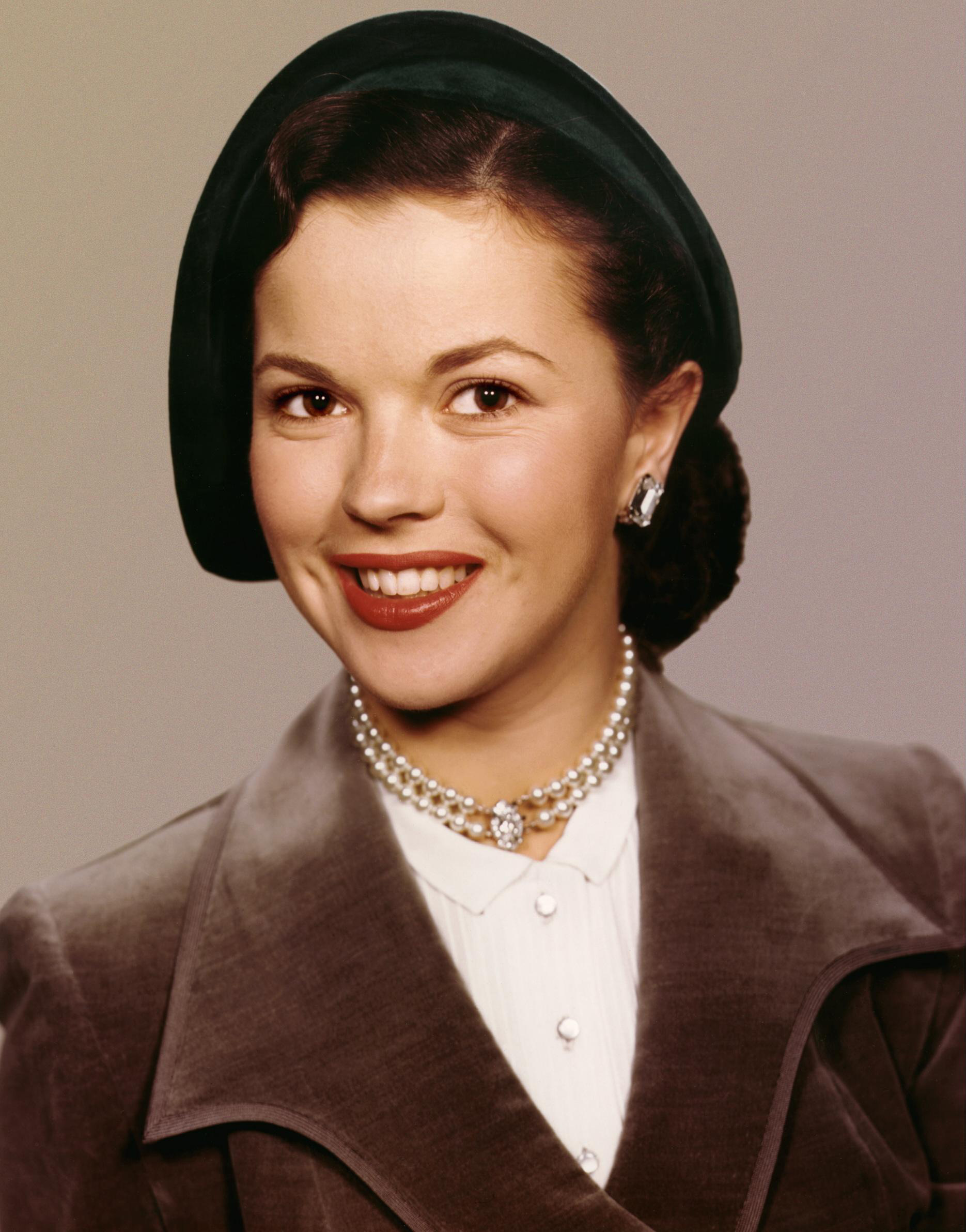
The 1954 bee
Cashore was 14, from Center Square in Montgomery County, Pennsylvania, and the runner-up was an 11-year-old named William Kelly. The contemporary report in the Daytona Beach Morning-Journal gave the prize as $500 and put the word uncinated in its headline; the record more often cited since, including TIME's later feature on past champions, gives his winning word as transept.
Both can be true of the same final - a champion spells several words in the closing rounds, and a headline writer takes the most striking - but the discrepancy is worth flagging rather than smoothing over. A reader who wants one answer should note that the contemporary headline and the later summaries do not name the same word.
What he did next
He went to Notre Dame and then to medical school at the University of Pennsylvania, and became a neonatologist: a doctor for newborn infants, and particularly for those born early or sick. By 2016, when TIME revisited the bee's champions, he was professor emeritus at Brown University's Alpert Medical School, living in East Greenwich, Rhode Island.
Neonatology as a specialty barely existed when Cashore won his bee. The intensive care of premature babies became a distinct discipline through the 1960s and 1970s, which places his career at the beginning of one of the largest improvements in survival in modern medicine.
A spelling champion's career
The bee is often described as a predictor of nothing in particular, and the evidence mostly supports that. What it does reliably select for is a child able to prepare relentlessly for a public test with a low tolerance for error, which is a description of medical training as much as of a spelling contest.
Cashore is one of the champions TIME chose to feature precisely because the line from the 1954 stage to a teaching hospital is legible. Most winners do not produce one that clean.
The bee in the 1950s
In the 1950s the national bee was a newspaper event. Sponsoring papers ran regional competitions and sent their champion to Washington, the prize was measured in hundreds of dollars, and winners could expect an appearance on a national television variety show in the days afterwards.
The scale was smaller than today's - dozens of finalists rather than hundreds - but the format was already the one now familiar: elimination rounds, a panel of judges, a dictionary as the final authority and a single child left standing.
Veinte preguntas, ocho minutos de reloj y un percentil medido frente a todos los que la han hecho. Sin registro.
Hacer la prueba de CI →What is documented, and what is not
Documented: the 1954 championship, his age of 14, Center Square, Pennsylvania, the $500 prize, the 11-year-old runner-up William Kelly, his education at Notre Dame and the University of Pennsylvania, and his position as professor emeritus at Brown's Alpert Medical School in 2016.
Not documented, or in dispute: the winning word, which the contemporary headline and later accounts give differently. Also absent from these sources are his family, his research record and anything after 2016.
| Persona | País | Hito | Edad / Dato |
|---|---|---|---|
| Arvind Mahankali | Estados Unidos | Ganó el Scripps National Spelling Bee de 2013 a los 13 | 13 años |
| Kerry Close | Estados Unidos | Ganó el Scripps National Spelling Bee de 2006 a los 13 | 13 años |
| William Cashore | Estados Unidos | Campeón del National Spelling Bee 1954 | 14 años |
| Hugh Tosteson García | Puerto Rico (Estados Unidos) | Campeón del National Spelling Bee 1975 | 14 años |
| Roy Seligman | Bahamas | Primer participante de Bahamas en llegar al Scripps National Spelling Bee... | — |
What is documented — and what is not
✓ Documented
- He won the 1954 National Spelling Bee at 14, for a $500 prize
- He became a neonatologist and professor emeritus at Brown's Alpert Medical School
- The 1954 runner-up was William Kelly, aged 11
? Unverified, disputed or wrong
- The winning word: contemporary and later accounts name uncinated and transept respectively
- His family and his research record
- Anything after 2016
Questions people ask about William Cashore
What word did William Cashore win on?
Accounts differ. The contemporary Daytona Beach Morning-Journal headline names uncinated; later summaries, including TIME's, give transept. Both are recorded here rather than one being chosen.
How old was he when he won?
He was 14 at the 1954 National Spelling Bee; his birth year is recorded as 1940.
What did William Cashore become?
A neonatologist - a doctor for newborn infants - and a professor at Brown University's Alpert Medical School, where he is professor emeritus.
Where did he study?
Notre Dame, then medical school at the University of Pennsylvania.
How much did he win in 1954?
$500, according to the contemporary newspaper report.
Where is William Cashore now?
TIME reported in 2016 that he was living in East Greenwich, Rhode Island, as professor emeritus at Brown. Nothing later appears in the sources used here.
Who was the runner-up?
William Kelly, aged 11.
Is William Cashore on Wikipedia?
His name appears in listings of spelling bee champions. No biography of him is among the sources used here.
Quick quiz: how well do you know William’s story?
What did William Cashore become after winning the bee?
What was his 1954 prize?
Why is his winning word uncertain?
Sources
- Spells 'Uncinated' and Hooks $500 Top Prize — Daytona Beach Morning-Journal, 1954-05-21
- Past Winners of the Scripps National Spelling Bee: Where They Are Now — TIME, 2016-05-25
Checked by the Geniuses.club editorial team. Ages are given as of September 2026.
Descubre Más Niños Prodigio
Más de 50 historias de jóvenes genios contemporáneos que transforman el ajedrez, la música, la ciencia y el arte.
Explorar Todos los Prodigios →Perfiles de Niños Prodigio Relacionados
 Arvind Mahankali🇺🇸 Estados Unidos — Deletreó 'knaidel', ganó el concurso nacional y después…
 Kerry Close🇺🇸 Estados Unidos — Cuatro concursos nacionales terminaron en derrota. El quinto terminó…
 Sriram Hathwar🇺🇸 Estados Unidos — Fue el participante más joven del concurso a los ocho años. Seis años…
 Balu Natarajan🇺🇸 Estados Unidos — El hijo de un inmigrante ganó el concurso de inglés de Estados Unidos…
 Sai Gunturi🇺🇸 Estados Unidos — 32.º, luego 16.º, luego 7.º, luego campeón. Sai Gunturi…
 Sameer Mishra🇺🇸 Estados Unidos — Escuchó mal una palabra, provocando la mayor carcajada en la historia…