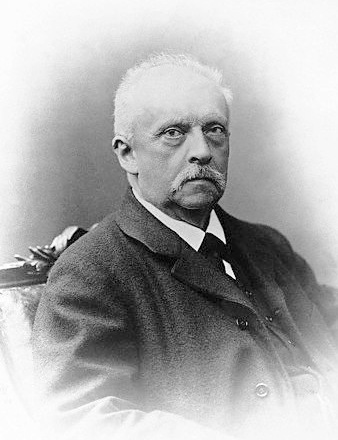
Jonathan Swift: Biography, Achievements & Lasting Legacy

Who Was Jonathan Swift?
Jonathan Swift (30 November 1667 – 19 October 1745) was an Anglo-Irish writer, essayist, satirist, and Anglican cleric. He was the author of the satirical prose novel Gulliver's Travels (1726) and the creator of the fictional island of Lilliput. He is regarded by many as the greatest satirist of the Georgian era and one of the foremost prose authors in the history of English and world literature.
Swift also authored works such as A Tale of a Tub (1704) and An Argument Against Abolishing Christianity (1708). He originally published all of his works under pseudonyms—including Lemuel Gulliver, Isaac Bickerstaff, M. B. Drapier—or anonymously. He was a master of two styles of satire, the Horatian and Juvenalian styles. In 1713, he was appointed the dean of St Patrick's Cathedral, Dublin, and was given the sobriquet "Dean Swift". His trademark deadpan and ironic style of writing, particularly in later works such as A Modest Proposal (1729), has led to such satire being subsequently termed as "Swiftian". He is also credited with inventing the popular woman's name "Vanessa" through his poem Cadenus and Vanessa (1726).
Life and Career
During the early part of his career, he travelled extensively in Ireland and Great Britain, and these trips helped develop his understanding of human nature and social conditions, which he would later depict in his satirical works. Swift was also very active in clerical circles due to his affiliations to St Patrick's Cathedral in Dublin. He had supported the Glorious Revolution and joined the Whigs party early on. Swift was related to many prominent figures of his time, including John Temple, John Dryden, William Davenant, and Francis Godwin. In 1700, Swift moved to Trim, County Meath, and many of his major works were written during this time. His writings reflected much of his political experiences of the previous decade, especially those with the British government under the Tories. Swift used several pseudonyms to publish his early works, with Isaac Bickerstaff being the most recognisable one. Scholars of his works have also suggested that these pseudonyms might have protected Swift from persecution in the politically sensitive conditions of England and Ireland under which he wrote many of his popular satires.
Since the late 18th century, Swift has emerged as one of the most popular Irish authors globally. His best-known novel Gulliver's Travels, which is among the most famous classics of both English and world literature, has retained its position as the most printed book by an Irish writer in libraries and bookstores worldwide. He continues to be held in high regard in Ireland with many streets, monuments, festivals, and regional tourist attractions named after him. Swift has also influenced several notable authors over the following centuries, including John Ruskin and George Orwell.
Key Facts
- Born: November 30, 1667 in Dublin, Ireland
- Died: 1745
- Field: Literature
Legacy and Impact
The influence of Jonathan Swift extends far beyond his own lifetime. He fundamentally shaped literature and the written word, and his written works and literary innovations remain foundational to this day.
Twenty questions, eight minutes on the clock, and a percentile measured against everyone who has taken it. No sign-up.
Take the IQ test →Though he passed away in 1745, his ideas continue to be studied, debated, and built upon by scholars and practitioners worldwide.
Jonathan Swift remains one of the most celebrated minds to emerge from Ireland, a testament to the rich intellectual heritage of the region.
Notable Geniuses from Ireland
Ireland has produced many remarkable minds. Alongside Jonathan Swift:
View all geniuses from Ireland →
Discover more brilliant minds in Literature
Explore Literature GeniusesRelated Articles
Explore More
Read the full profile of Jonathan Swift
View Jonathan Swift's Profile →