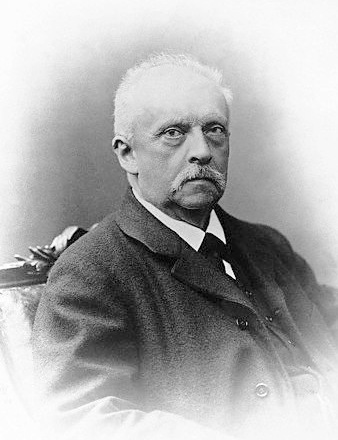
Johann Joachim Winckelmann: Biography, Achievements & Lasting Legacy

Who Was Johann Joachim Winckelmann?
Johann Joachim Winckelmann (US: VINK-əl-mahn; German: [ˈjoːhan ˈjoːaxɪm ˈvɪŋkl̩man]; 9 December 1717 – 8 June 1768) was a German art historian and archaeologist. He was a pioneering Hellenist who first articulated the differences between Greek, Greco-Roman and Roman art. "The prophet and founding hero of modern archaeology", Winckelmann was one of the founders of scientific archaeology and first applied the categories of style on a large, systematic basis to the history of art. Many consider him the father of the discipline of art history. He was one of the first to separate Greek art into periods and time classifications.
He had a decisive influence on the rise of the Neoclassical movement during the late 18th century. His writings influenced not only a new science of archaeology and art history but Western painting, sculpture, literature and even philosophy. Winckelmann's History of Ancient Art (1764) was one of the first books written in German to become a classic of European literature. His subsequent influence on Gotthold Ephraim Lessing, Johann Gottfried Herder, Johann Wolfgang von Goethe, Friedrich Hölderlin, Heinrich Heine, Friedrich Nietzsche, Stefan George and Oswald Spengler has been provocatively called "the Tyranny of Greece over Germany".
Life and Career
Winckelmann was homosexual, and open homoeroticism informed his writings on aesthetics. In 1752, he mentioned the "lust" which could be experienced with the "divine monarch" (i.e. Frederick the Great) in Potsdam in a similar way as in "Athens and Sparta", and which he could enjoy so immensely that he would never again be allowed to. His homosexuality was recognized by his contemporaries, such as Goethe. In 1768, at the age of 50, he was murdered by a fellow guest at his hotel for reasons that remain unclear.
Key Facts
- Born: December 9, 1717 in Stendal, Margraviate of Brandenburg
- Died: 1768
- Field: Art
Legacy and Impact
The influence of Johann Joachim Winckelmann extends far beyond his own lifetime. He fundamentally shaped visual arts and creative expression, and his works and artistic innovations remain foundational to this day.
Twenty questions, eight minutes on the clock, and a percentile measured against everyone who has taken it. No sign-up.
Take the IQ test →Though he passed away in 1768, his ideas continue to be studied, debated, and built upon by scholars and practitioners worldwide.
Discover more brilliant minds in Art
Explore Art GeniusesRelated Articles
Explore More
Read the full profile of Johann Joachim Winckelmann
View Johann Joachim Winckelmann's Profile →