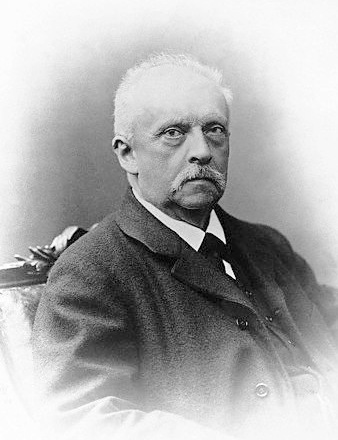
Johann Gottfried Herder: Biography, Achievements & Lasting Legacy

Who Was Johann Gottfried Herder?
Johann Gottfried von Herder ( HUR-dər; German: [ˈjoːhan ˈɡɔtfʁiːt ˈhɛʁdɐ]; 25 August 1744 – 18 December 1803) was a German philosopher, theologian, pastor, poet, and literary critic. Herder is associated with the Age of Enlightenment, Sturm und Drang, and Weimar Classicism. He was a Romantic philosopher and poet who argued that true German culture was to be discovered among the common people (das Volk). He also stated that it was through folk songs, folk poetry, and folk dances that the true spirit of the nation (der Volksgeist) was popularized. He is credited with establishing or advancing a number of important disciplines: hermeneutics, linguistics, anthropology, and "a secular philosophy of history."
Key Facts
- Born: August 25, 1744 in Mohrungen, Prussia
- Died: 1803
- Field: Literature
Legacy and Impact
The influence of Johann Gottfried Herder extends far beyond his own lifetime. He fundamentally shaped literature and the written word, and his written works and literary innovations remain foundational to this day.
Though he passed away in 1803, his ideas continue to be studied, debated, and built upon by scholars and practitioners worldwide.
Twenty questions, eight minutes on the clock, and a percentile measured against everyone who has taken it. No sign-up.
Take the IQ test →Discover more brilliant minds in Literature
Explore Literature GeniusesRelated Articles
Explore More
Read the full profile of Johann Gottfried Herder
View Johann Gottfried Herder's Profile →