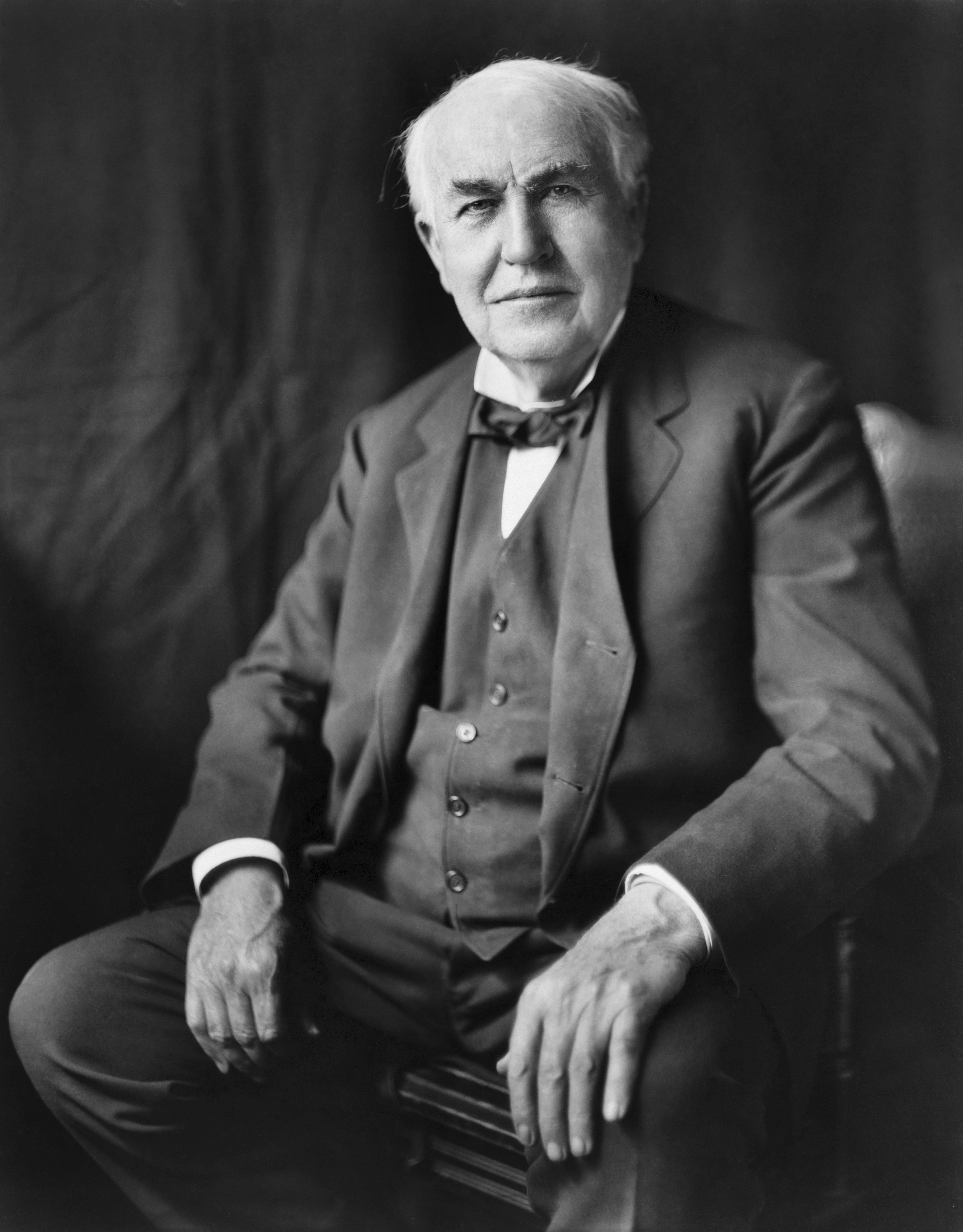
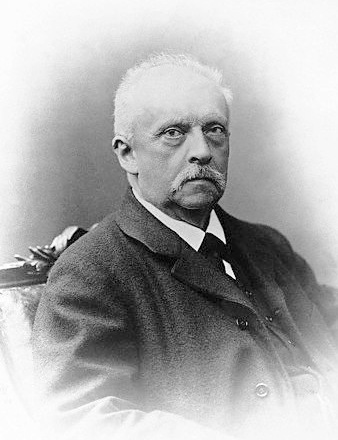
Frederick Sanger: Biography, Achievements & Lasting Legacy

Who Was Frederick Sanger?
Frederick Sanger (; 13 August 1918 – 19 November 2013) was a British biochemist who received the Nobel Prize in Chemistry twice.
He won the 1958 Chemistry Prize for determining the amino acid sequence of insulin and numerous other proteins, demonstrating in the process that each had a unique, definite structure; this was a foundational discovery for the central dogma of molecular biology.
Life and Career
At the newly constructed Laboratory of Molecular Biology in Cambridge, he developed and subsequently refined the first-ever DNA sequencing technique, which vastly expanded the number of feasible experiments in molecular biology and remains in widespread use today. The breakthrough earned him the 1980 Nobel Prize in Chemistry, which he shared with Walter Gilbert and Paul Berg.
He is one of only three people to have won multiple Nobel Prizes in the same category (the others being John Bardeen in physics and Karl Barry Sharpless in chemistry), and one of five persons with two Nobel Prizes.
Key Facts
- Born: August 13, 1918 in Rendcomb, Gloucestershire, England
- Died: 2013
- Field: Science
Legacy and Impact
The influence of Frederick Sanger extends far beyond their own lifetime. They fundamentally shaped our understanding of the natural world, and their discoveries and theories remain foundational to this day.
Twenty questions, eight minutes on the clock, and a percentile measured against everyone who has taken it. No sign-up.
Take the IQ test →Though they passed away in 2013, their ideas continue to be studied, debated, and built upon by scholars and practitioners worldwide.
Frederick Sanger remains one of the most celebrated minds to emerge from England, a testament to the rich intellectual heritage of the region.
Notable Geniuses from England
England has produced many remarkable minds. Alongside Frederick Sanger:
View all geniuses from England →
Discover more brilliant minds in Science
Explore Science GeniusesRelated Articles
Explore More
Read the full profile of Frederick Sanger
View Frederick Sanger's Profile →