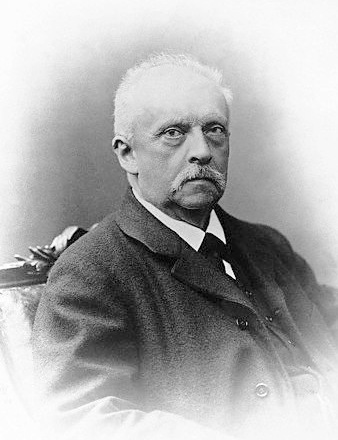
Carl Woese: Biography, Achievements & Lasting Legacy

Who Was Carl Woese?
Carl Richard Woese ( WOHZ; July 15, 1928 – December 30, 2012) was an American microbiologist and biophysicist. Woese is famous for defining the Archaea (a new domain of life) in 1977 through a pioneering phylogenetic taxonomy of 16S ribosomal RNA, a technique that has revolutionized microbiology. He also originated the RNA world hypothesis in 1967, although not by that name. Woese held the Stanley O. Ikenberry Chair and was professor of microbiology at the University of Illinois Urbana–Champaign.
Key Facts
- Born: July 15, 1928 in Syracuse, New York, U.S.
- Died: 2012
- Field: Science
Legacy and Impact
The influence of Carl Woese extends far beyond his own lifetime. He fundamentally shaped our understanding of the natural world, and his discoveries and theories remain foundational to this day.
Though he passed away in 2012, his ideas continue to be studied, debated, and built upon by scholars and practitioners worldwide.
Carl Woese remains one of the most celebrated minds to emerge from United States, a testament to the rich intellectual heritage of the region.
Twenty questions, eight minutes on the clock, and a percentile measured against everyone who has taken it. No sign-up.
Take the IQ test →Notable Geniuses from United States
United States has produced many remarkable minds. Alongside Carl Woese:
View all geniuses from United States →
Discover more brilliant minds in Science
Explore Science GeniusesRelated Articles
Explore More
Read the full profile of Carl Woese
View Carl Woese's Profile →