Ancient Greek philosophy shaped Western thought for over 2,400 years. The great philosophers of Athens—Socrates, Plato, and Aristotle—established the fundamental questions and methods of philosophy. Other schools—Stoicism, Epicureanism, Cynicism—offered alternative visions of how to live. Here are history's greatest Greek philosophers ranked by lasting influence.
The Top Five
1. Aristotle
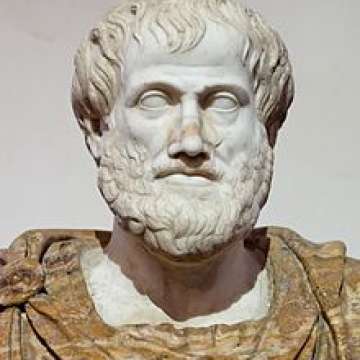
The most comprehensive thinker, Aristotle systematized nearly every field of knowledge. His logic, metaphysics, ethics, politics, and biology shaped Western thought. His virtue ethics remains central to moral philosophy. His biological observations were accurate for his era. He created the framework for organized knowledge that influenced medieval and modern thought.
2. Plato
Plato asked the deepest questions about reality, knowledge, justice, and goodness. His Theory of Forms provided a framework for understanding abstract concepts. His dialogues remain masterpieces of philosophy and literature. He founded the Academy, an institution of higher learning. His influence on idealism and metaphysics is profound.
3. Socrates
Socrates wrote nothing himself, but his method—questioning assumed knowledge to reveal ignorance—became the foundation of philosophy. He challenged Athenian conventional wisdom and was executed for it, becoming martyrdom's philosophical model. His insistence on examining one's life and pursuing virtue through rational inquiry shaped subsequent philosophy.
4. Epicurus
Epicureanism is widely misunderstood as hedonistic excess, but Epicurus advocated modest pleasure—friendship, simple food, intellectual conversation. His physics was atomic (anticipating modern science). His ethical theory—maximize pleasure (understood as absence of pain)—influenced utilitarianism. He advocated withdrawal from politics for personal tranquility.
Twenty questions, eight minutes on the clock, and a percentile measured against everyone who has taken it. No sign-up.
Take the IQ test →5. Zeno of Citium (Stoicism)
Zeno founded Stoicism, which profoundly influenced Roman thought and Christianity. The Stoic insistence on virtue as the highest good, acceptance of fate, and rational self-discipline shaped Western ethics. Marcus Aurelius and Epictetus carried Stoicism to prominence. Its emphasis on duty and reason influenced modern thought.
Major Schools
The Academy (Platonic Tradition)
Plato's Academy lasted nearly 900 years, becoming the model for the university. It emphasized eternal, unchanging forms behind material reality. This idealism influenced Christianity and much Western metaphysics. It asked questions about abstract concepts that remain central to philosophy.
The Peripatetic School (Aristotelian)
Aristotle's school emphasized observation and classification. His systematic approach influenced medieval Islamic and Christian thought. His logic dominated philosophy for 2,000 years. His framework for understanding nature remained authoritative until the scientific revolution.
The Stoa (Stoic)
Stoicism emphasized virtue, rational self-discipline, and acceptance of fate. It appealed to both slaves (Epictetus) and emperors (Marcus Aurelius). Its ethical teachings influenced Christianity and modern virtue ethics. It remains practically influential today.
The Garden (Epicureanism)
Despite its misrepresentation as hedonism, Epicureanism offers a coherent ethical philosophy emphasizing modest pleasure and friendship. Its atomic physics anticipated modern science. Its ethics influenced utilitarian philosophy.
Honorable Mentions
Pre-Socratic philosophers like Heraclitus, Parmenides, and Pythagoras shaped metaphysics and epistemology. Diogenes the Cynic exemplified radical rejection of conventional values. The Skeptics challenged the possibility of knowledge. Each contributed to philosophy's development, even if less comprehensively influential than the top five.
Why Greece?
Ancient Greece's philosophical brilliance emerged from several factors: democratic culture encouraging open debate, leisure time for intellectuals, geographical position on trade routes enabling idea exchange, cultural values emphasizing intellectual pursuit, and the absence of religious orthodoxy preventing suppression of unorthodox thought. These conditions created an environment where philosophy could flourish.
Lasting Impact
Western philosophy since ancient Greece has largely been footnotes to Plato and Aristotle, as philosopher Alfred North Whitehead observed. Modern ethics, logic, metaphysics, epistemology, aesthetics, and politics all trace back to Greek thinkers. Even when rejecting Greek thought, philosophers define themselves against it. The questions Greek philosophers asked—What is justice? What is knowledge? How should we live?—remain central to philosophy today.