Aeschylus: Biography, Achievements & Lasting Legacy

Who Was Aeschylus?
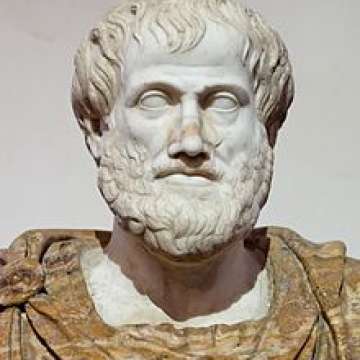
Aeschylus (UK: , US: ; Ancient Greek: Αἰσχύλος Aischýlos; c. 525/524 – c. 456/455 BC) was an ancient Greek tragedian often described as the father of tragedy. Academic knowledge of the genre begins with his work, and understanding of earlier Greek tragedy is largely based on inferences made from reading his surviving plays. According to Aristotle, he expanded the number of characters in the theatre and allowed conflict among them. Formerly, characters interacted only with the chorus.
Aeschylus wrote an estimated 70 to 90 plays, of which only seven have survived in complete form. There is a long-standing debate regarding the authorship of one of them, Prometheus Bound, with some scholars arguing that it may be the work of his son Euphorion. Fragments from other plays have survived in quotations, and more continue to be discovered on Egyptian papyri. These fragments often give further insights into Aeschylus's work. He was likely the first dramatist to present plays as a trilogy, with his Oresteia being the only extant ancient example. At least one of his plays was influenced by the Persians' second invasion of Greece (480–479 BC). This work, The Persians, is one of very few known classical Greek tragedies concerned with contemporary events, and the only one extant. The significance of the war with Persia was so great to Aeschylus and the Greeks that his epitaph commemorates his participation in the Greek victory at Marathon while making no mention of his success as a playwright.
Key Facts
- Born: January 1, 524 in Eleusis
- Died: 455
Legacy and Impact
The influence of Aeschylus extends far beyond his own lifetime. He fundamentally shaped human knowledge and progress, and his achievements and contributions remain foundational to this day.
Twenty questions, eight minutes on the clock, and a percentile measured against everyone who has taken it. No sign-up.
Take the IQ test →Though he passed away in 455, his ideas continue to be studied, debated, and built upon by scholars and practitioners worldwide.
Related Articles
Explore More
Read the full profile of Aeschylus
View Aeschylus's Profile →