
The Most Prolific Authors in History, Ranked by Output
Five hundred books, seven hundred books, a play a week for decades: the writers who simply never stopped.
Some writers polish a page a day. The writers below treated the page-a-day author the way a marathoner treats a stroller. Their combined output runs to thousands of volumes — and, remarkably, much of it is still read.
The heavyweights, ranked by documented output
- Lope de Vega — hundreds of plays. The Spanish Golden Age dramatist claimed some 1,800 comedies; scholars verify well over 300 surviving, plus 3,000 sonnets. Cervantes, his rival, called him "a monster of nature." Even the conservative count makes him the most prolific major dramatist ever — Shakespeare's 39 plays would represent a slow decade for Lope.
- Enid Blyton — roughly 700 books. The children's author produced up to 50 titles a year at her peak, by her own account writing 6,000–10,000 words a day. Decades after her death she still sells millions of copies annually in dozens of languages.
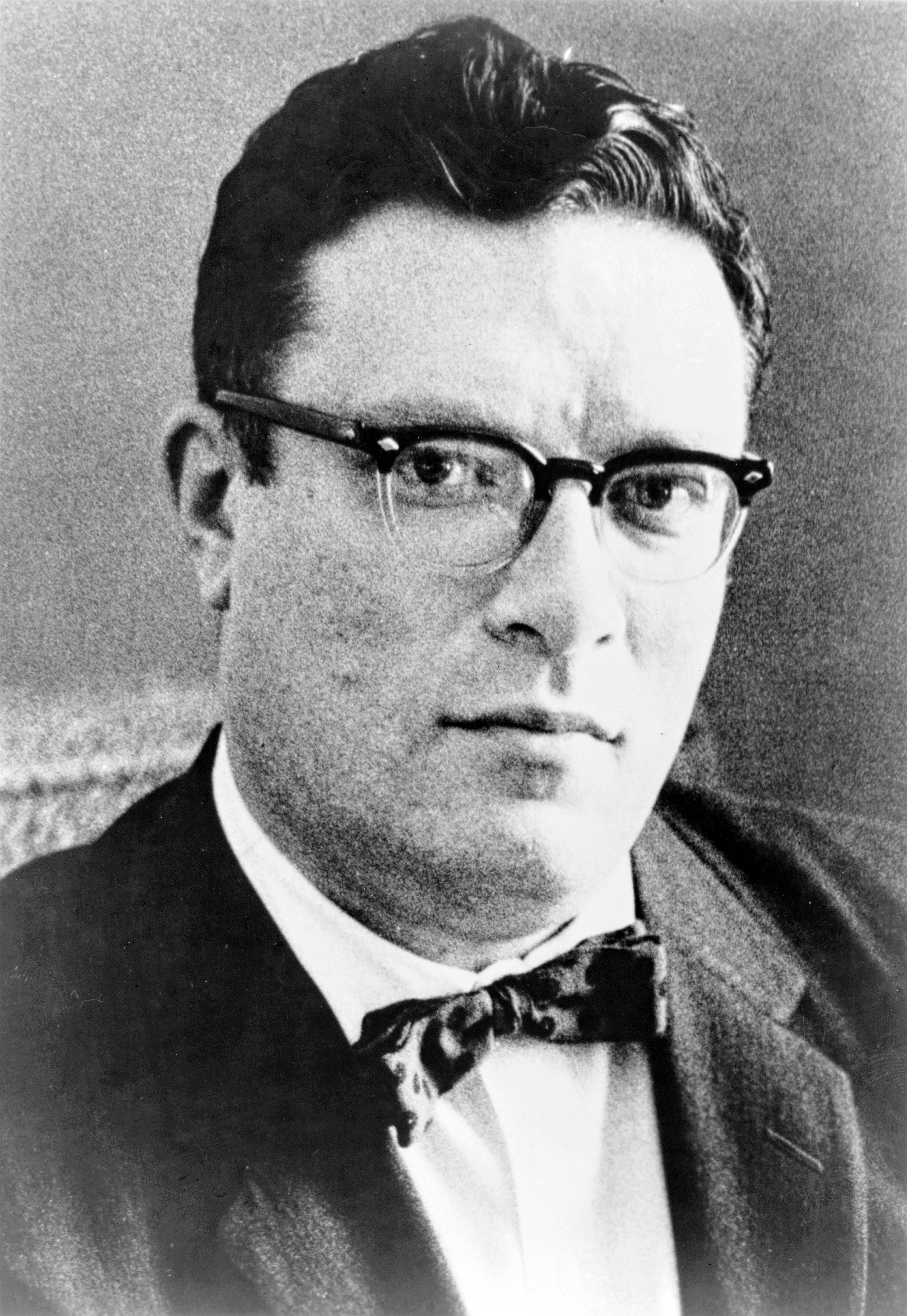
- Isaac Asimov — 500+ books written or edited. Science fiction's grandmaster is one of the few authors with books in nearly every major Dewey Decimal category: robots and Foundation, but also guides to Shakespeare, the Bible, physics, limericks and Roman history. He described his working life simply: "Thinking is the activity I love best, and writing is simply thinking through my fingers."
- Georges Simenon — about 400 novels. The Belgian creator of Inspector Maigret wrote 60–80 pages a day and could finish a novel in under a fortnight; he published 75 Maigrets and some 120 other novels under his own name, plus nearly 200 pulp novels under pseudonyms.
- Alexandre Dumas — some 300 volumes. The Three Musketeers and Monte Cristo sit atop an industrial output produced with a studio of collaborators — an early fiction factory whose scaffolding Dumas cheerfully acknowledged, and whose best rooms he unmistakably built himself.
- Honore de Balzac — the 90-novel cathedral. La Comédie humaine interlocks more than 90 finished novels and stories with recurring characters — drafted on a regimen of midnight-to-dawn sessions and legendary quantities of coffee. He died at 51, arguably of the schedule.
- Agatha Christie — 66 novels, 2 billion sales. Slower than the names above — and the only one to become the best-selling novelist in recorded history.
- Jules Verne — 60+ novels, the Voyages extraordinaires, delivered on contract at two volumes a year for four decades — and still among the most translated authors on Earth.
"Writing, to me, is simply thinking through my fingers."
— Isaac Asimov
The economics of abundance
Every writer here worked before or outside the modern literary economy of advances and prestige: they were paid by the line, the serial or the title, and volume was the business model. What separates them from the forgotten hacks who shared that economy is the survival rate — Maigret, Musketeers, Foundation, Poirot and the Famous Five are all still in print, still adapted, still earning.
<iframe width="560" height="315" src="https://www.youtube.com/embed/fr19-Ux4uHg" title="The Extraordinary voyages of Jules Verne." frameborder="0" allowfullscreen loading="lazy"></iframe>Watch: The Extraordinary voyages of Jules Verne.
The asterisk of the age
Modern pulp economics produced even larger raw numbers — the romance writer Barbara Cartland's 700+ titles, or Spain's Corín Tellado with thousands of novellas — and the record books duly note them. But by the only measure that matters at the century scale, books that outlive their author, the eight above stand clear. Abundance fades; abundance plus Maigret is immortality.
Frequently Asked Questions
Who wrote the most books in history?
Among major authors, Lope de Vega's hundreds of verified plays and Enid Blyton's roughly 700 books lead the field; Isaac Asimov wrote or edited over 500.
How fast did Georges Simenon write?
Sixty to eighty pages a day; he could complete a novel in under two weeks, and published around 400 under his own name and pseudonyms.
Is quantity compatible with quality?
The list suggests yes at the extremes: Maigret, the Musketeers, Foundation and Poirot all came from history's fastest pens.