1,093 Patents: The Restless Record of Thomas Edison
A patent every two weeks for four decades: inside the numbers of the most relentless inventor of the industrial age.
Between 1868 and his death in 1931, Thomas Edison was granted 1,093 United States patents — for decades the record for a single inventor, and still the most famous number in the history of invention. Spread over his working life, it averages out to a new patent roughly every two weeks, for forty years.
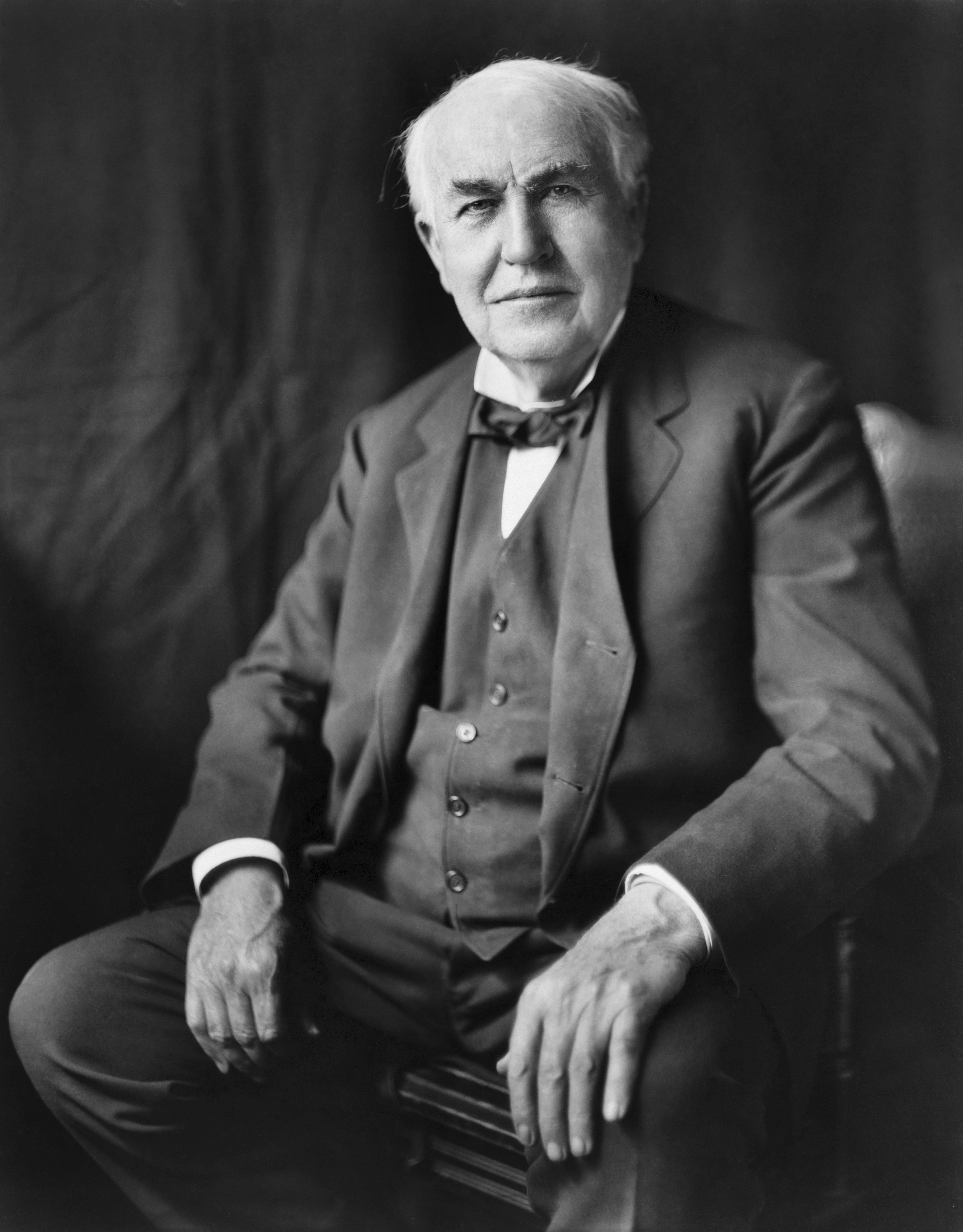
What the 1,093 contain
The catalogue reads like the furniture of the modern world: the phonograph (1877), the first commercially practical incandescent light system (1879–80), the carbon microphone that made telephones usable, the kinetoscope that started motion pictures, the alkaline storage battery, and hundreds of less glamorous improvements to telegraphs, cement kilns and ore separators. Edison's first patent, at 21, was an electric vote recorder that no legislature wanted — a commercial failure he said taught him to invent only what people would buy.
The invention factory
The deeper innovation was not any single device but the method. At Menlo Park, New Jersey, Edison built history's first industrial research laboratory and staffed it with dozens of engineers, machinists and chemists. The "Wizard of Menlo Park" promised "a minor invention every ten days and a big thing every six months or so" — and the laboratory, not the lone genius, is what delivered. Every corporate R&D department on Earth is a descendant of that building.
Twenty questions, eight minutes on the clock, and a percentile measured against everyone who has taken it. No sign-up.
Take the IQ test →"I have not failed. I've just found 10,000 ways that won't work."
— Thomas Edison
The quote was not bravado. For the incandescent lamp alone his team tested thousands of filament materials — platinum, cotton, bamboo from Japan — before settling on carbonised bamboo that burned for over a thousand hours.
The famous rivalry
No account of Edison's record is honest without Nikola Tesla, who worked for him briefly in 1884 before the two became opposing generals in the "War of the Currents" — Edison backing direct current, Tesla and George Westinghouse alternating current. AC won the grid; Edison's companies merged into what became General Electric; and the two men's partisans have been arguing on the internet ever since. The fairest verdict is the boring one: Tesla was the deeper theorist, Edison the greater builder of systems — and the modern world required both.
Watch: How Thomas Edison Changed The World
Is the record still a record?
Honesty requires an asterisk. Edison's 1,093 US patents were finally surpassed in the 21st century — Japanese inventor Shunpei Yamazaki and Australian-born Kia Silverbrook have each been granted several times more, thanks to modern corporate patenting practice. But no later inventor's portfolio has reshaped daily life the way Edison's did: he holds the record that matters, the number of patents that became industries.
The measure of the man
Edison slept famously little, worked in 60-hour stretches when a problem gripped him, and defined genius in the sentence everyone knows — "one percent inspiration, ninety-nine percent perspiration." His life is the strongest single argument that persistence is a form of talent. For the other side of that argument — the self-taught minds who had nothing but persistence — see our story on 10 self-taught geniuses.
Frequently Asked Questions
How many patents did Thomas Edison hold?
1,093 US patents, granted between 1868 and 1931 — for decades the record for an individual inventor.
Has Edison's patent record been broken?
Yes, in raw numbers: modern inventors such as Shunpei Yamazaki have been granted several times more. None has matched the industry-founding impact of Edison's portfolio.
Did Edison really invent the light bulb?
He did not invent the first electric light, but his team created the first commercially practical incandescent system — long-lasting bulbs plus the generation and distribution network to power them.