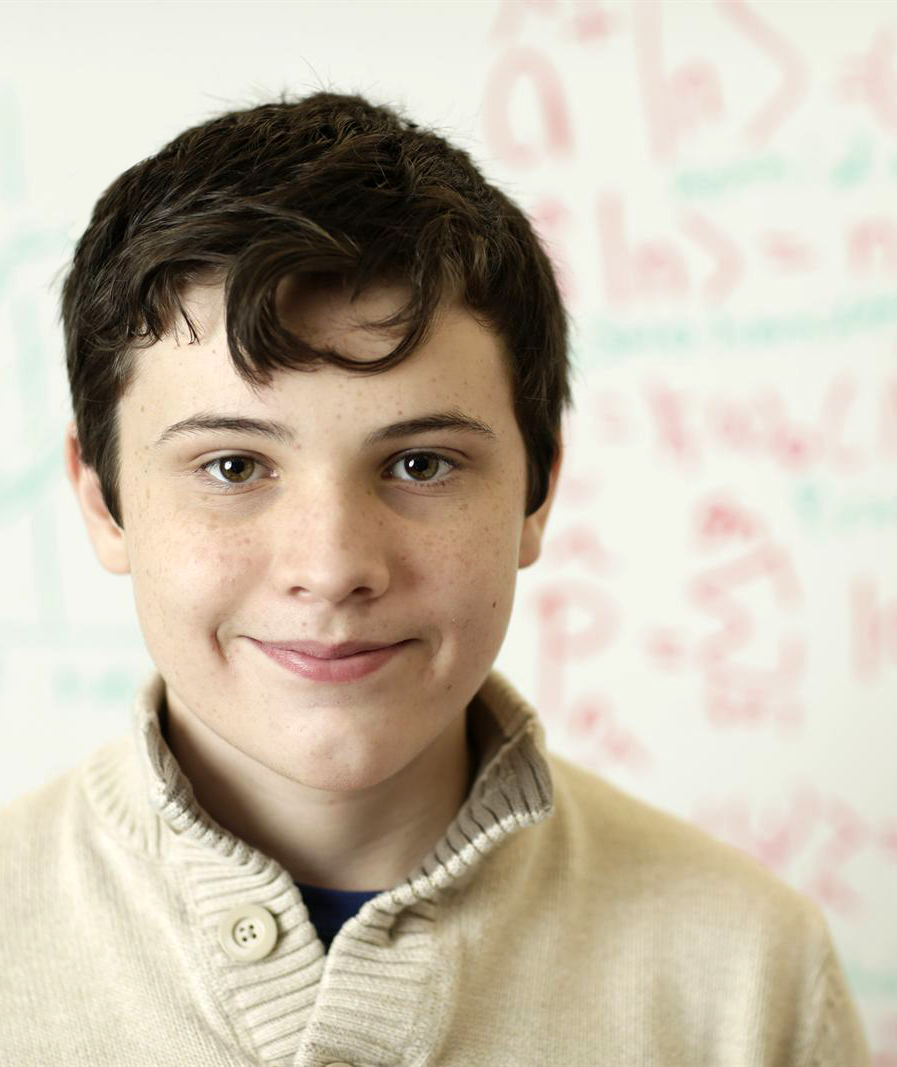
The title
The documented facts are few and they are firm: the year, 1972; the town, Lamesa, Texas; the age, fourteen; and the word, macerate. The account of the final describes a see-saw duel rather than a procession, which is to say that the outcome was in doubt at more than one point.
The runner-up that year was Lauren Pringle of Buffalo. Her name is worth keeping, because the record does not end in 1972: Pringle went on to win the National Senior Spelling Bee in 2014, more than four decades after losing the junior title.
The sponsor system
Kral competed under the sponsorship of the Lubbock Avalanche-Journal, and that relationship explains both how she got to Washington and where the surviving account of it comes from. For most of the bee's history, regional newspapers funded and sent their local champion, then covered the result as their own story.
It is also why the source used for this page is an archived Avalanche-Journal item from March 2001, headlined W-I-N-N-E-R, rather than a wire report from 1972. The paper was still telling the story of its own champion nearly thirty years later.
What the archive preserves
The page survives through a web archive capture rather than on the newspaper's live site, and that is the ordinary fate of local journalism from the pre-search era. Local stories from the 1970s were printed once and, unless a library or an archive caught them, they were not indexed anywhere a reader can now reach.
The consequence is a champion who is verifiable but almost undescribed. The 1972 bee produced a name, a town, an age and a word. Everything that would fill out a profile — a school, a family, a photograph, a quotation — sits in print runs that were never digitised.
What is documented — and what is not
Firm: the 1972 national title, the winning word macerate, her home town of Lamesa, her age of fourteen, the Lubbock Avalanche-Journal sponsorship, and the runner-up Lauren Pringle and her later senior bee win in 2014.
Not documented: her school, her parents, her exact date of birth, the number of rounds, the size of the field, what she said, and what she did afterwards. Her name does not carry a Wikipedia article of its own; the research record notes that it points to the general Scripps National Spelling Bee entry, where champions are listed by year.
Двадцать вопросов, восемь минут на часах и процентиль, измеренный по всем, кто его проходил. Без регистрации.
Пройти тест IQ →Why the 1972 champions are hard to trace
Every speller who has won since the competition moved to cable and then to network television has an afterlife: interviews, clips, a byline in the coverage of the next year's bee. Champions from the newspaper era have almost none of that. The prize was smaller, the audience was regional, and the winner went home.
That makes a 1972 title a fact rather than a career. The most that can be said with confidence about Robin Kral is that she won the hardest spelling competition in the United States at fourteen, on a word most adults could not spell on request, and that the newspaper which sent her was still proud of it in 2001. This page reports that, and declines to invent the rest.
| Человек | Страна | Веха | Возраст / Данные |
|---|---|---|---|
| Sophia Hoffman | Соединенные Штаты | Марафон по орфографии в округе Джексон 2014 года | 9 лет |
| Akshay Buddiga | Соединенные Штаты | Обморок и восстановление на National Spelling Bee 2004 года | 11 лет |
| Kush Sharma | Соединенные Штаты | Победа в марафоне по орфографии в округе Джексон 2014 года | 13 лет |
| Robin Kral | Соединенные Штаты | Победа на National Spelling Bee 1972 года в 14 лет | 14 лет |
| Finola Hackett | Канада | Второе место на Scripps National Spelling Bee 2006 года | 14 лет |
What is documented — and what is not
✓ Documented
- Won the 1972 National Spelling Bee at fourteen on the word macerate
- Home town Lamesa, Texas; sponsored by the Lubbock Avalanche-Journal
- Runner-up Lauren Pringle of Buffalo, later the 2014 National Senior Spelling Bee winner
? Unverified, disputed or wrong
- No school, family details or date of birth in any source seen here
- No record of the field size, the number of rounds or any quotation from her
- Nothing documented about her life after the 1972 title
Questions people ask about Robin Kral
What word did Robin Kral win on?
Macerate, at the 1972 National Spelling Bee.
How old was she when she won?
Fourteen. No source in this record gives her exact date of birth.
Where was she from?
Lamesa, in West Texas. She was sponsored by the Lubbock Avalanche-Journal.
Who was the runner-up?
Lauren Pringle of Buffalo, who went on to win the National Senior Spelling Bee in 2014.
Is Robin Kral on Wikipedia?
Not with an article of her own. Her name points to the general Scripps National Spelling Bee entry, which lists champions by year.
What happened to Robin Kral after 1972?
No source in this record says. The surviving account is an archived local newspaper story and it does not follow her career.
Why is the source an archived page?
The 2001 Lubbock Avalanche-Journal story is preserved through a web archive capture rather than on the newspaper's current site.
Who sponsored spellers in that era?
Regional newspapers funded and sent their local champion to the national bee, which is how Kral reached Washington.
Quick quiz: how well do you know Robin’s story?
Which word did Robin Kral spell to win in 1972?
Which newspaper sponsored her?
What did the 1972 runner-up go on to win in 2014?
Sources
- W-I-N-N-E-R — Lubbock Avalanche-Journal (archived), 2001-03-13
Checked by the Geniuses.club editorial team. Ages are given as of September 2026.
Откройте больше вундеркиндов
Более 50 историй современных юных гениев, меняющих шахматы, музыку, науку и искусство.
Все вундеркинды →Похожие профили вундеркиндов
 Akshay Buddiga🇺🇸 Соединенные Штаты — Он упал на сцену, встал через секунду и написал…
 Kush Sharma🇺🇸 Соединенные Штаты — На конкурсе закончились слова раньше, чем участники…
 Sophia Hoffman🇺🇸 Соединенные Штаты — В одиннадцать лет она довела окружной конкурс до тупика и…
 Naysa Modi🇺🇸 Соединенные Штаты — Она победила его на окружном конкурсе. Новое правило…
 Finola Hackett🇨🇦 Канада — Четырнадцатилетняя канадка пробилась на второе…
 Saryn Hooks🇺🇸 Соединенные Штаты — Она была исключена за слово, которое написала правильно…