ब्राउन का बाद में संक्षिप्त और असाधारण रूप से स्पष्ट सारांश था कि क्या हुआ था। "यह एक तेज़ टीम है; हमने पहले कभी ऐसा नहीं देखा," उन्होंने विश्व एथलेटिक्स को बताया। "हम कल यहाँ बहुत उत्साहित थे और अब हमारे पास स्वर्ण है।" रिले रिकॉर्ड सामूहिक होते हैं, व्यक्तिगत स्प्रिंट रिकॉर्ड की तरह नहीं: घड़ी चार एथलीटों और तीन बैटन एक्सचेंजों को मापती है, और एक्सचेंज वह हिस्सा है जिसे प्रतिभा के बल पर जबरदस्ती नहीं किया जा सकता है। एक चौकड़ी जिसने एक साथ अभ्यास नहीं किया है, वह 38.16 नहीं दौड़ सकती, चाहे उसके सदस्य व्यक्तिगत रूप से कितने भी तेज़ क्यों न हों।
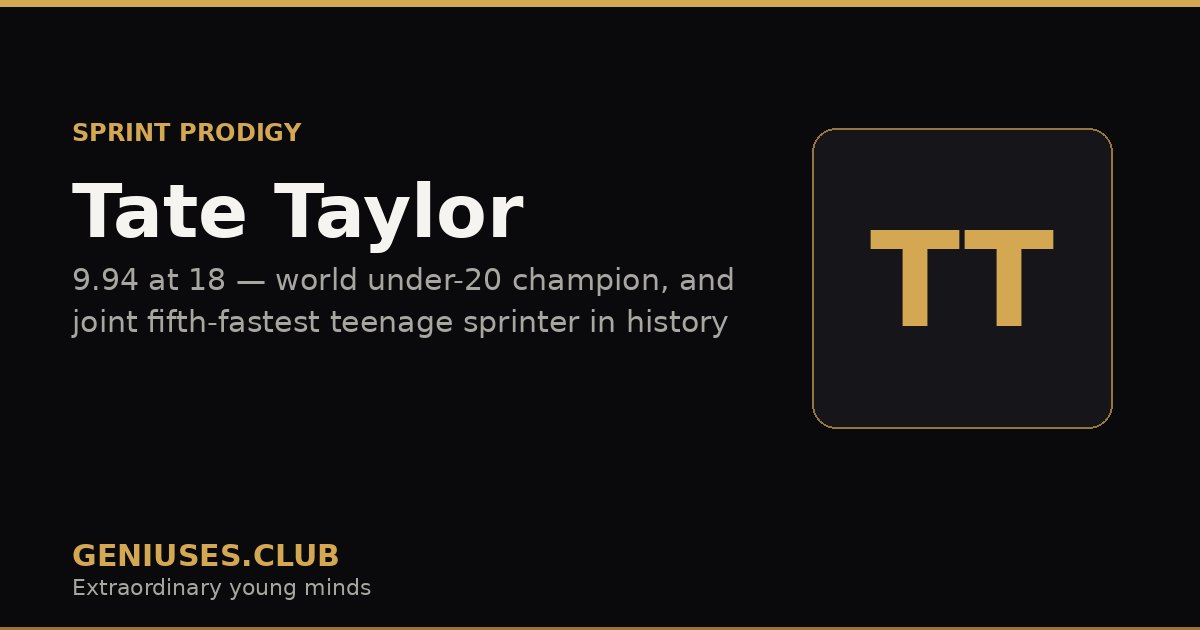
तीसरा चरण दूसरे मोड़ के चारों ओर दौड़ा जाता है, जिसका अर्थ है कि धावक को सही हाथ में बैटन रखते हुए पार्श्व भार के तहत फॉर्म बनाए रखनी होती है और एक ऐसे आउटगोइंग टीम के साथी को खोजना होता है जो पहले से ही गति पकड़ रहा हो। एंकर चरण में हैंडओवर दौड़ का सबसे महत्वपूर्ण आदान-प्रदान है: पहले तीन चरणों ने जो कुछ भी बनाया है, वह एक मीटर की हिचकिचाहट में खो सकता है। ब्राउन के एक्सचेंज ने टेलर को स्पष्ट स्थान दिया, और विश्व एथलेटिक्स की रिपोर्ट ने दर्ज किया कि टेलर ने "बढ़त के साथ बैटन प्राप्त किया और अपनी टीम को एक शानदार जीत दिलाने के लिए एंकर चरण में आग लगा दी।"
बीस प्रश्न, घड़ी पर आठ मिनट, और अब तक टेस्ट देने वालों के सामने मापा गया पर्सेंटाइल। साइन-अप नहीं।
IQ टेस्ट दें →उस एंकर ने 18 वर्षीय टेलर के लिए एक उल्लेखनीय चैंपियनशिप पूरी की, जिसने गुरुवार को 100 मीटर और शनिवार को 200 मीटर दौड़ जीती थी। रिले की शुरुआत करने वाले ब्लेक हैमिल्टन ने उनके पीछे 200 मीटर का रजत जीता था। डिलन मिशेल ने दूसरा चरण दौड़ा। चार एथलीट, एक आयु वर्ग, एक देश — वह संयोग जिसकी अंडर-20 रिले रिकॉर्ड को आवश्यकता होती है और यही वास्तविक कारण है कि 2021 का निशान पांच वर्षों से खड़ा था।
ग्रेट ब्रिटेन और उत्तरी आयरलैंड 38.90 के साथ दूसरे स्थान पर रहे, जो यूरोपीय अंडर-20 रिकॉर्ड की बराबरी थी, और जमैका ने 39.01 के साथ कांस्य जीता, जिससे 100 मीटर के रजत पदक विजेता गैरी कार्ड को दूसरा पदक मिला। ये इस आयोजन के इतिहास के मानकों के अनुसार तेज़ समय हैं, जो अमेरिकियों द्वारा किए गए कार्य को मापने का सबसे स्पष्ट तरीका है: उन्होंने एक मजबूत क्षेत्र को निर्णायक रूप से हराया और एक ऐसा रिकॉर्ड रीसेट किया जो 2021 के बाद से हर चौकड़ी की पहुंच से बाहर था।
रिले अंतिम दिन दो अमेरिकी रिले जीतों में से एक थी। पुरुषों की 4x400 मीटर रिले में जिसने चैंपियनशिप का समापन किया, क्विंसी विल्सन, कैमरून टकर, अलेक्जेंडर ओसायेमी और जयडेन डेलियन ने 3:01.39 का समय लिया — जो एक विश्व अंडर-20 लीड और इतिहास में पांचवां सबसे तेज़ अंडर-20 प्रदर्शन था — लगातार तीसरी बार खिताब का बचाव किया। संयुक्त राज्य अमेरिका ने 12 स्वर्ण, सात रजत और पांच कांस्य पदक के साथ ओरेगॉन पदक तालिका में शीर्ष स्थान हासिल किया।
अंडर-20 विश्व रिकॉर्ड सांख्यिकीय रूप से करियर के चरम के बजाय एक प्रारंभिक संकेतक हैं। इस स्तर पर रिले चरणों में सक्षम स्प्रिंटर आमतौर पर एक या दो साल के भीतर वरिष्ठ चैंपियनशिप दस्तों में चले जाते हैं, और हेवर्ड फील्ड वह जगह है जहाँ उनमें से कई उन दौड़ में दौड़ेंगे। काइलर ब्राउन के बारे में अब प्रकाशित रिकॉर्ड से और उससे परे कुछ नहीं कहा जा सकता है, यह है कि उन्होंने इतिहास में सबसे तेज़ अंडर-20 स्प्रिंट रिले का तीसरा चरण दौड़ा और बैटन को ऐसी बढ़त पर पहुँचाया जो कभी खतरे में नहीं पड़ी।
“यह एक तेज़ टीम है; हमने पहले कभी ऐसा नहीं देखा। हम कल यहाँ बहुत उत्साहित थे और अब हमारे पास स्वर्ण है।”काइलर ब्राउन, 9 अगस्त 2026 को 4x100 मीटर फाइनल के बाद विश्व एथलेटिक्स द्वारा उद्धृत
| व्यक्ति | देश | मील का पत्थर | आयु / आँकड़ा |
|---|---|---|---|
| Kyler Brown | 🇺🇸 संयुक्त राज्य अमेरिका | 4x100 मीटर रिले — स्वर्ण | तीसरा चरण |
| Time | 38.16 | विश्व अंडर-20 रिकॉर्ड* | पिछला: 38.51, दक्षिण अफ्रीका, 2021 |
| Quartet | हैमिल्टन · मिशेल | ब्राउन · टेलर | हेवर्ड फील्ड, यूजीन |
| Podium | 🇬🇧 ग्रेट ब्रिटेन और उत्तरी आयरलैंड 38.90 | 🇯🇲 जमैका 39.01 | 9 अगस्त 2026 |
तीसरे चरण से एंकर तक का आदान-प्रदान 4x100 मीटर रिले में सबसे महत्वपूर्ण क्षण है, और यह वह जगह है जहाँ रिकॉर्ड के प्रयास अक्सर समाप्त हो जाते हैं। काइलर ब्राउन ने 9 अगस्त 2026 को यूजीन में संयुक्त राज्य अमेरिका के लिए वह चरण दौड़ा और आगे रहते हुए हैंडओवर दिया, जिससे टेट टेलर को 38.16 का समय पूरा करने का मौका मिला — जो अंडर-20 चौकड़ी द्वारा अब तक का सबसे तेज़ 4x100 मीटर है और 2021 के बाद से दक्षिण अफ्रीका के 38.51 में पहला सुधार है। दूसरे स्थान पर ग्रेट ब्रिटेन का 38.90 यूरोपीय अंडर-20 रिकॉर्ड के बराबर रहा, जो दिखाता है कि क्षेत्र कमजोर नहीं था।
और बाल प्रतिभाओं को खोजें
शतरंज, संगीत, विज्ञान और कला को बदलने वाले समकालीन युवा प्रतिभाओं की 50+ कहानियाँ।
सभी प्रतिभाओं का अन्वेषण करें →