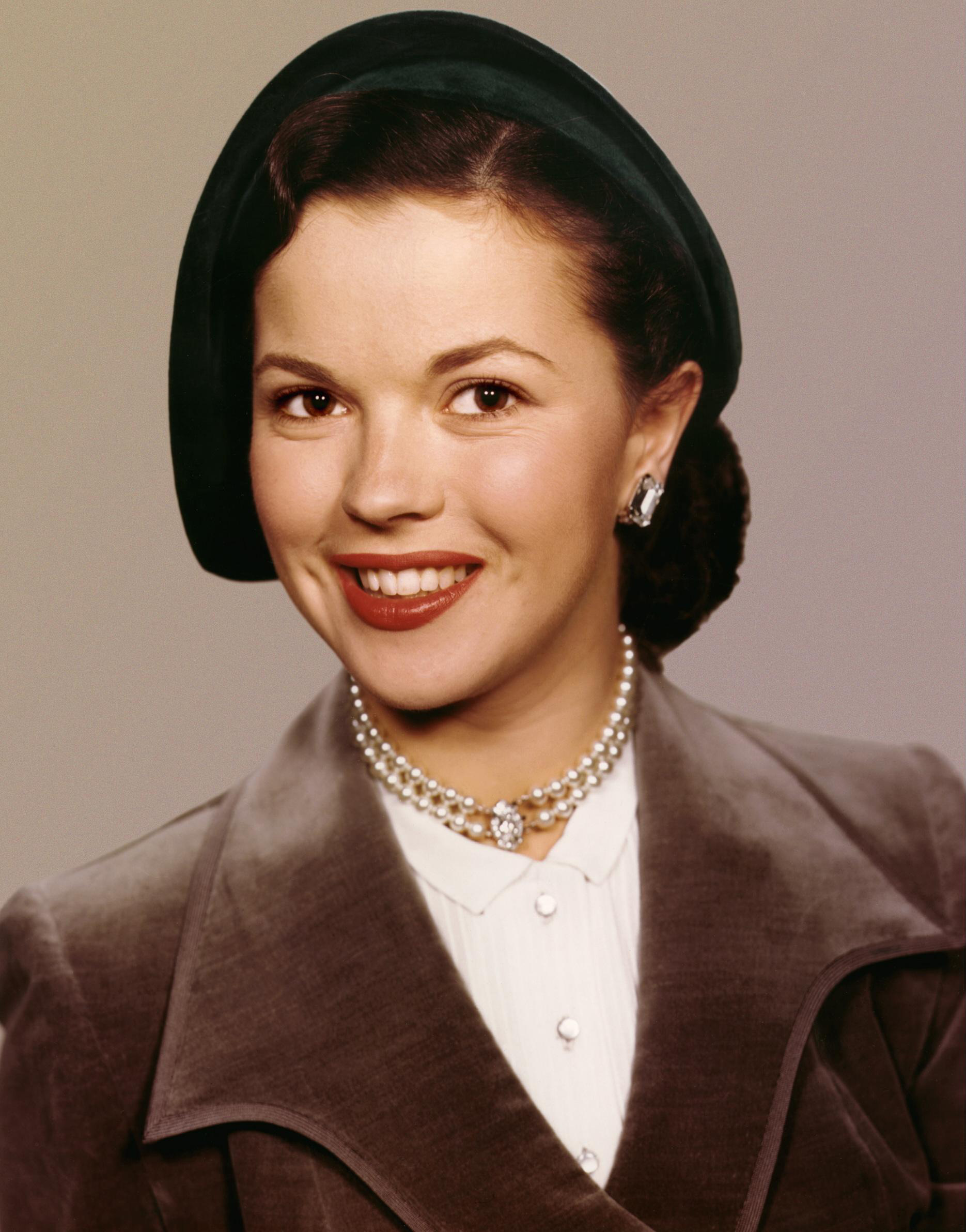
The 2001 final
The closing stage of the 2001 bee was a straight duel. Two spellers remained, and for five rounds neither could put the other away — each correct answer simply handed the microphone back. The Associated Press account, carried in papers including the Ludington Daily News, headlined the ending on the word that settled it: succedaneum, a substitute, which the Minnesota competitor spelled to win.
Hawkins's own exit came on resipiscence, a noun meaning a return to a sound mind or a recognition of past error. It is a word almost nobody uses and exactly the kind of Latinate construction the bee reaches for when it needs to separate two spellers who have stopped making mistakes.
Three trips to the national stage
The detail that gives the result its weight is that 2001 was her third national bee. Qualifying once means winning a regional competition against every other school-age speller in a defined territory. Doing it three times means winning it three years running, at ages when a year's difference in vocabulary is enormous.
That pattern is common among the spellers who reach the last two. The competition rewards accumulated preparation — root lists, language-of-origin patterns, the habit of asking the right questions about a word — and returning competitors arrive each year with the previous year's work still in place. An eighth-grader at her third bee is, in practical terms, at the end of a multi-year campaign.
Five thousand dollars and no headline
Hawkins won 5,000 dollars for second place. The coverage went, as it always does, to the winner: ABC News reported the night under the headline that a Minnesota 13-year-old had won the National Spelling Bee, and the AP report was framed around the winning word.
This is the structural fate of the bee's runner-up. The format produces exactly one champion and no podium, and news desks treat the result as a single fact. A speller can outlast several hundred regional champions, survive a five-round duel, and appear in the national record only as the other person on stage.
Where Kristin Hawkins is now
Nothing in the sources used here follows her past June 2001. Her school, her home town within Virginia, her date of birth and her life since are not in this record, and no later profile or follow-up appears in the material used for this page.
The 2001 bee predates the era in which every finalist acquires a durable online trail, which is part of why the trail is thin. Coverage was a wire report, a broadcast segment and a line in a results table, and none of those genres follows a child into adulthood.
عشرون سؤالاً وثماني دقائق على الساعة، ونسبة مئوية مقاسة مقابل كل من خاضه. دون تسجيل.
اخوض اختبار الذكاء →What the format actually measures
The National Spelling Bee is a single-elimination test with no aggregate score. A speller who has been flawless for hours is level with one who has scraped through, because the only thing carried forward is survival. Two spellers who reach a five-round duel have demonstrated, by the competition's own evidence, an essentially equal command of the language.
What separates them is the draw. Resipiscence and succedaneum are both obscure Latin-derived nouns of similar difficulty, and which of them a speller receives is decided by the order of a list neither can see. That is not a criticism of the bee so much as a description of it, and it is the reason a runner-up's performance deserves reporting in its own terms rather than as a near miss.
| الشخص | الدولة | الإنجاز | العمر / البيان |
|---|---|---|---|
| Arvind Mahankali | الولايات المتحدة | فاز بالمسابقة الوطنية للتهجئة Scripps عام 2013 في سن 13 | 13 عاماً |
| Kerry Close | الولايات المتحدة | فاز بالمسابقة الوطنية للتهجئة Scripps عام 2006 في سن 13 | 13 عاماً |
| Hugh Tosteson García | بورتوريكو (الولايات المتحدة) | بطل المسابقة الوطنية للتهجئة عام 1975 | 14 عاماً |
| Kristin Hawkins | الولايات المتحدة | الوصيفة، المسابقة الوطنية للتهجئة 2001 | — |
| Roy Seligman | جزر البهاما | أول متسابق من جزر البهاما يصل إلى مسابقة Scripps الوطنية للتهجئة... | — |
What is documented — and what is not
✓ Documented
- Runner-up at the 2001 National Spelling Bee as a Virginia eighth-grader
- Eliminated on resipiscence after a five-round duel; the champion won on succedaneum (ABC News, AP)
- Third national bee appearance; won 5,000 dollars
? Unverified, disputed or wrong
- No published date of birth, home town within Virginia or school name
- The champion is identified in these sources only as a 13-year-old from Minnesota
- No reporting found on her life after 2001
Questions people ask about Kristin Hawkins
What word did Kristin Hawkins miss?
Resipiscence, a noun meaning a return to a sound mind or a recognition of past error, in the closing duel of the 2001 National Spelling Bee.
Who won the 2001 National Spelling Bee?
A 13-year-old from Minnesota, who took the title on the word succedaneum. The sources used here identify the winner by age and state rather than by name.
How old is Kristin Hawkins?
No date or year of birth appears in the sources used here. She was an eighth-grader at the 2001 bee.
How many times did she compete nationally?
2001 was her third appearance at the National Spelling Bee, meaning she had won her regional qualifier three years running.
What did she win?
5,000 dollars for second place.
Where is Kristin Hawkins now?
No source used here reports anything about her after June 2001. Her school, home town and later life are not documented in this record.
Is Kristin Hawkins on Wikipedia?
No Wikipedia article on her was found. The result survives in wire coverage and broadcast reports of the 2001 bee.
How long was the final duel?
Five rounds, with the last two spellers answering in turn before the deciding word.
Quick quiz: how well do you know Kristin’s story?
Which word ended Kristin Hawkins's run in 2001?
How many rounds did the final duel last?
How many times had she competed at the national bee by 2001?
Sources
- Minn. 13-Year-Old Wins National Spelling Bee — ABC News, 2001-05-31
- 'Succedaneum' gives Minnesota teen a win at National Spelling Bee — Ludington Daily News (AP), 2001-06-01
Checked by the Geniuses.club editorial team. Ages are given as of September 2026.
اكتشف المزيد من الأطفال المعجزين
أكثر من 50 قصة لعباقرة شباب معاصرين يغيّرون الشطرنج والموسيقى والعلوم والفن.
استكشف جميع المعجزين →ملفات أطفال معجزة ذات صلة
 Arvind Mahankali🇺🇸 الولايات المتحدة — تهجى كلمة 'knaidel'، وفاز بالمسابقة الوطنية، ثم…
 Kerry Close🇺🇸 الولايات المتحدة — أربع مسابقات وطنية انتهت بالهزيمة. الخامسة انتهت بـ…
 Sriram Hathwar🇺🇸 الولايات المتحدة — كان أصغر متسابق في المسابقة بعمر ثمانية أعوام. بعد ست…
 Balu Natarajan🇺🇸 الولايات المتحدة — ابن مهاجر فاز بمسابقة اللغة الإنجليزية في أمريكا عام…
 Sai Gunturi🇺🇸 الولايات المتحدة — المركز 32، ثم 16، ثم 7، ثم بطل. صعد Sai…
 Sameer Mishra🇺🇸 الولايات المتحدة — أساء سماع كلمة، وحصل على أكبر ضحكة في تاريخ…